
Electrical Repair and Installation Costs: 2026 Price Guides
A flickering light, a dead outlet, or a quote for a new panel can send you searching for a number. Electrical work covers a huge range, from a simple outlet swap to a whole-house rewire. Knowing which end of that range you sit on saves money and stress.
The trouble is that most price pages answer one narrow question. You find a number for a fan, then wonder what a new circuit would add. You read about panels, then learn the service line is a separate bill.
This hub gathers every electrical cost guide on CostRepairGuide.com in one place. Each section groups guides by the kind of job. A table shows the headline range from each guide, with a link to the full breakdown.
All ranges are national and for US homes. Each guide names its sources, dates, and the places where those sources disagree. Use these figures to judge a quote, then confirm local pricing in writing.
How Electrical Repair Costs Work
Most electrical bills combine three parts: labor, materials, and fees. Labor usually dominates. Electricians typically charge $50 to $130 per hour. Many add a $100 to $200 service call that covers the first hour. Our electrician cost per hour guide explains those rates in detail.
Materials vary by job. An outlet costs little, while a standby generator costs thousands. Fees include permits and inspections. Night and weekend calls can run much higher, as our emergency electrician cost guide shows.
For a broad view of everyday jobs, start with our electrical repair cost guide .

Everyday Repairs and Replacements
These small jobs are the most common calls. Prices are low per item, but the service call fee often drives the total.
| Guide | Headline Range |
|---|---|
| Electrical repair cost | $163 to $538 per visit, about $351 average |
| Electrician cost per hour | $50 to $130 per hour |
| Outlet replacement cost | $100 to $250 per standard outlet |
| GFCI outlet installation cost | $120 to $350 per outlet |
| Circuit breaker replacement cost | $150 to $250 for one standard breaker |
Lighting and Fan Installation
Lighting jobs depend on wiring access and ceiling type. A swap on existing wiring costs far less than a new run.
| Guide | Headline Range |
|---|---|
| Ceiling fan installation cost | $100 to $350 on existing wiring |
| Light fixture installation cost | $70 to $300 for a standard fixture |
| Recessed lighting installation cost | $130 to $330 per light |
Panels, Service, and Capacity
Panel work sits at the center of most big upgrades. These guides cover the box, the service size, and the safety checks around them.
| Guide | Headline Range |
|---|---|
| Electrical panel replacement cost | $1,300 to $3,000 installed, with a wider range up to $4,000 |
| 200 amp service upgrade cost | $1,300 to $3,000 for the panel, up to $4,500 in one source |
| Whole house surge protector cost | About $300 average, $70 to $700 range |
| Electrical inspection cost | $100 to $500 for most homes |
Older Wiring and Whole-House Projects
Older houses may need larger fixes. These guides cover the wiring types that most often raise safety questions and the cost of starting over.
| Guide | Headline Range |
|---|---|
| Whole house rewiring cost | $6 to $10 per square foot in a finished home |
| Knob and tube wiring replacement cost | $8,000 to $25,000 for a full home |
| Aluminum wiring repair cost | $500 for device swaps up to $30,000 for a full rewire |
Big-Ticket Add-Ons: EV Chargers and Generators
New equipment often pushes a home toward a bigger service. Plan these projects together with your panel.
| Guide | Headline Range |
|---|---|
| EV charger installation cost | $800 to $3,000 before the unit |
| Whole house generator installation cost | Often $7,000 to $15,000 all-in for a mid-size system |
What Raises Electrical Costs
A few factors explain most of the gap between a low quote and a high one. Each guide above covers them in depth.
- Access: open walls cost less than finished ones.
- Panel capacity: a full panel may need an upgrade first.
- Wiring age: aluminum and knob and tube circuits add work.
- Distance: long wire runs add materials and labor.
- Timing: after-hours calls carry a premium.
- Permits: fees and inspections vary by city.

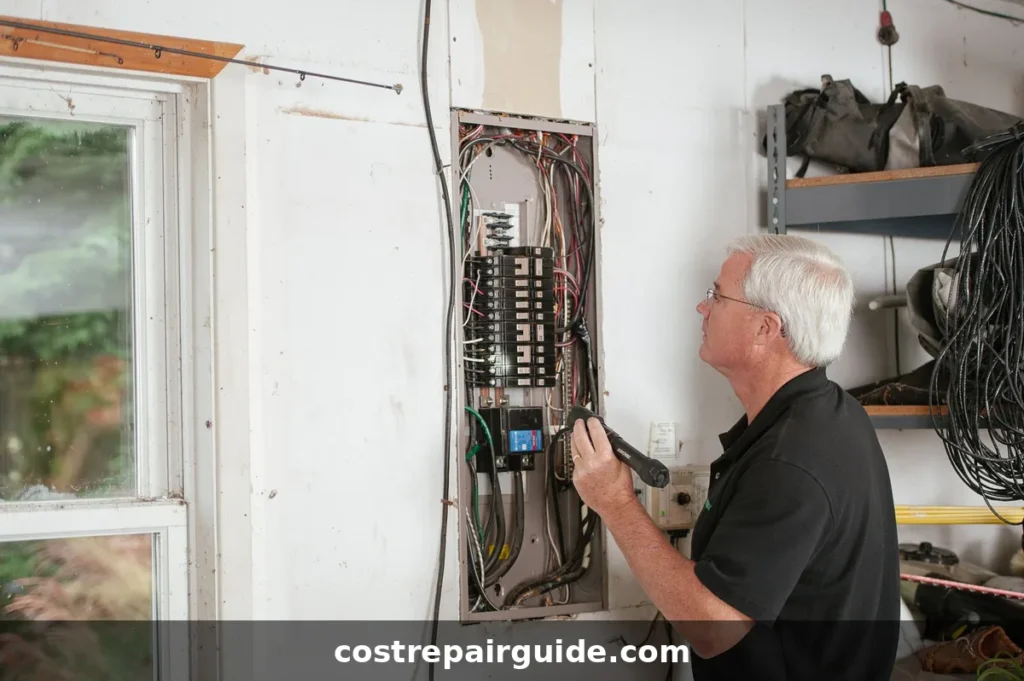
Electrical Safety Comes First
Electrical faults are a real fire risk. The U.S. Fire Administration counted 23,700 residential electrical fires in 2023. Those fires caused 305 deaths and 800 injuries.
Simple habits help. The CPSC says to test every GFCI at least monthly. Warm outlets, burning smells, and breakers that keep tripping deserve a prompt call.
How to Use These Guides When You Get a Quote
Start with the guide that matches your job. Compare the headline range with your quote. If the quote sits outside the range, ask what is included.
Request itemized lines for labor, parts, permits, and fees. Get at least two written quotes. Confirm the electrician is licensed and insured, and ask who pulls the permit.
Read the honest note at the end of each guide. It explains where sources disagree and which figures are older or come from a single contractor.
Where to Start
If you are not sure which guide fits, use this short path.
- Buying a house: electrical inspection cost , then panel replacement cost .
- Planning an EV or heat pump: 200 amp service upgrade cost .
- Living with old wiring: whole house rewiring cost .
- Something sparks or smells: emergency electrician cost .
Frequently Asked Questions
A Note on How to Read These Numbers
This hub repeats headline ranges from the linked guides, so it inherits their limits. Some figures come from a single contractor page, and a few sources are older or undated. Each guide flags those cases in its own note. Where sources disagreed, the guides show the spread instead of picking one winner.
Several price guides repeat one another’s data, so more sources do not always mean more independent evidence. This site takes no contractor referrals and has no reason to nudge numbers. Treat every range as a starting point, and let a written local quote set your real budget.
Final Thoughts
Electrical repair costs span a wide range. An outlet swap sits near the bottom, and a whole-house rewire can reach five figures. The job type, the age of the wiring, and the panel’s capacity explain most of that gap.
The key takeaway is to find the guide that matches your job. Read its price table before you call anyone. Then ask for itemized quotes so you can compare scope, not just totals.
Your next step is to write down the symptom or project in one sentence. Pick the matching guide from this hub, note the headline range, and request two written quotes. Bring the guide’s questions to each electrician.
Treat safety signs as urgent and everything else as a planning exercise. A calm, informed call usually costs less than a rushed one. Test your GFCIs this month, and keep your inspection and permit records together.
Which electrical project is next on your list?