
Plumber Cost Per Hour: What Homeowners Should Expect
A plumbing problem can turn a normal day into a money question fast. The sink leaks. The toilet keeps running. A pipe starts dripping under the cabinet. You call a plumber, and now you wonder what one hour of plumbing work should cost. That question sounds simple. The bill often is not. Some plumbers charge by the hour. Others use a flat rate. Many charge a service call fee before the repair starts. Emergency calls can cost more, even when the repair itself is small. This guide explains plumber cost per hour in plain English. You will learn average hourly rates, service call fees, emergency pricing, flat rate jobs, and questions to ask before booking. Cost Repair Guide does not sell plumbing services. We help homeowners understand the numbers before they approve the work.
Quick Answer
Most plumbers charge $45 to $200 per hour in the United States. Many standard residential plumbing jobs land closer to $75 to $150 per hour. Complex work, master plumbers, gas work, and emergency calls can cost more. A service call fee may also apply. Many companies charge $50 to $250 just to come out, inspect the issue, and provide a diagnosis. Some plumbers apply that fee toward the repair. Others keep it separate. Ask about this before you book the visit.
Average Plumber Cost Per Hour
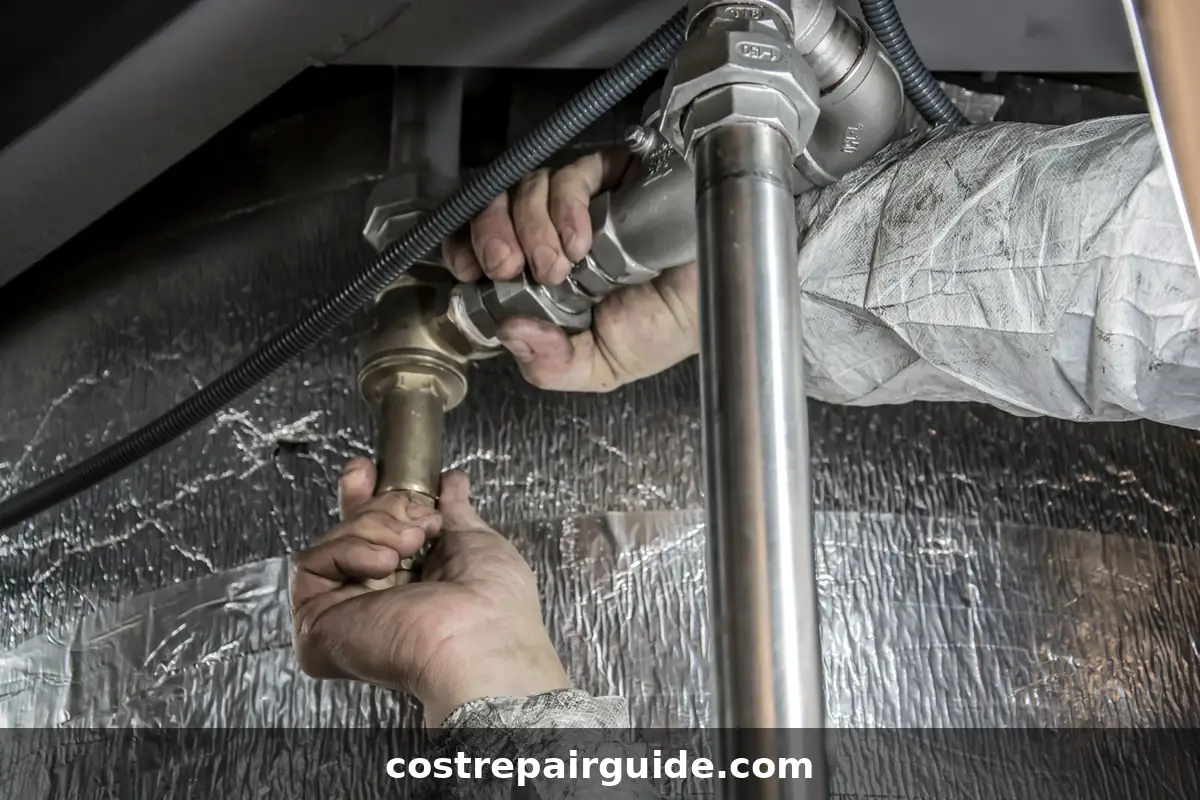
The hourly rate depends on the plumber’s skill level and the job type. An apprentice may cost less, but a licensed journeyman or master plumber may handle harder work faster. A higher hourly rate can still be fair when the job needs experience.
| Plumber Type | Typical Hourly Rate | Best For |
|---|---|---|
| Apprentice plumber | $45 to $90 | Basic tasks under supervision |
| Journeyman plumber | $60 to $120 | Most standard home repairs |
| Master plumber | $80 to $200 plus | Complex work, code issues, gas work |
| Emergency plumber | $150 to $300 plus | After hours leaks, bursts, backups |
These are starting ranges. Your local rate may be higher in large cities, high cost states, or areas with strong demand. A lower rate may also come with a minimum charge. That means a 30 minute repair may still be billed as one full hour.
How Plumbers Usually Bill
Plumbers do not all bill the same way. That is where many homeowners get confused. One company may charge an hourly rate. Another may charge a flat price for the job. A third may charge a service call fee plus labor.
Hourly Billing
Hourly billing means you pay for the time spent on the job. This works well when the plumber does not know how long the repair will take. Hidden leaks, old pipes, and troubleshooting can make time hard to predict.
Flat Rate Pricing
Flat rate pricing gives one set price for the job. This can feel easier because you know the price before the work starts. Common jobs like toilet repair, drain cleaning, faucet replacement, and garbage disposal repair may be flat rate.
Service Call Fee
A service call fee covers travel, diagnosis, and the first inspection. Some plumbers apply it to the repair. Others do not. Always ask before scheduling.
Minimum Charge
Many plumbers have a minimum charge. This means you may pay for one hour, even if the job takes less time. This is common because the plumber still drives to your home, inspects the problem, and carries business costs.
Plumber Cost by Job Type
The hourly rate is only one part of the bill. The job type matters too. A simple faucet repair may take one hour. A hidden pipe leak may take several hours and require parts.
| Plumbing Job | Common Time Needed | Typical Total Cost |
|---|---|---|
| Faucet repair | 1 to 2 hours | $100 to $300 |
| Toilet repair | 1 to 2 hours | $100 to $300 |
| Drain unclogging | 1 to 3 hours | $125 to $350 |
| Leaking pipe repair | 1 to 3 hours | $175 to $550 |
| Water heater repair | 1 to 3 hours | $150 to $750 |
| Burst pipe repair | 2 to 5 hours | $500 to $4,000 plus |
| Main line repair | Varies by access | $600 to $4,500 plus |
These ranges help you estimate the bill, but they are not exact quotes. A plumber needs to inspect the issue before giving a final price.
Why Hourly Rates Change
Two plumbers can quote different hourly rates and both can be normal. The final price depends on more than time.
Experience Level
A master plumber often costs more than an apprentice. You may need that level of skill for complex work, gas lines, code issues, remodels, or hard diagnostics.
Location
Plumbing rates change by city and region. Large metro areas often cost more. Rural areas may cost less, but travel fees can raise the bill.
Job Complexity
Simple repairs cost less when the problem is easy to reach. A leak behind a wall, under a slab, or inside a crawl space can cost more because access is harder.
Parts and Materials
Hourly labor may not include parts. Valves, pipes, fittings, wax rings, faucet parts, supply lines, and fixtures can add to the total.
Timing
Same day service, nights, weekends, and holidays can raise the price. If the problem can safely wait, normal business hours may save money.
What Drives the Hourly Rate
Experience, location, and job complexity set the rate. Master plumbers charge more than apprentices, and big cities run higher than small towns.
Service Call Fee
Most plumbers charge $50 to $100 just to show up and diagnose. Always ask if this fee applies toward the final repair bill.
Emergency Premium
Nights, weekends, and holidays cost $150 to $300 per hour. If the issue can wait safely, scheduling during business hours saves real money.
Minimum Charges
Many plumbers have a one-hour minimum. A 20-minute fix still bills for the full hour, so bundle small jobs when you can.
Flat Rate vs Hourly
Flat-rate pricing is easier to understand upfront. Hourly can be fairer for troubleshooting and jobs with uncertain scope.
Get It in Writing
Ask for the hourly rate, service fee, parts estimate, and minimum charge in writing before any work begins.
Emergency Plumber Cost Per Hour
Emergency plumbers cost more because they respond fast. Many emergency calls happen at night, during weekends, or during holidays. Some companies charge a higher hourly rate. Others add an emergency fee. Emergency plumber rates often run $150 to $300 per hour. Some calls can cost more when flooding, sewage, or major access work is involved. Emergency service can be worth it when water is causing damage or safety is at risk. Call fast for burst pipes, sewage backups, active flooding, or water near electrical areas. Also call for major leaks. For a slow drip, running toilet, or minor faucet issue, you may save money by booking a normal appointment.
How to Estimate Your Plumbing Bill
You can estimate a plumbing bill with a simple formula. Start with the service call fee. Then add labor time. Then add parts and extra fees. Example one. A plumber charges a $100 service fee and $120 per hour. The job takes one hour and needs $40 in parts. Your estimated bill is $260. Example two. A plumber charges $150 per hour. The job takes three hours and needs $125 in parts. Your estimated bill is $575 before tax or permits. This math helps you understand the quote. It does not replace a plumber’s inspection.
A Quick Confession About Plumber Quotes
Many homeowners make one mistake with plumbing work. They ask for help, but they do not ask how the bill will be calculated. I understand why. When water is leaking, you want the problem fixed. You may feel awkward asking about price before the plumber starts. But that is exactly when you should ask. A clear question can prevent a bad surprise. Ask this before work begins. What will I pay if the repair takes one hour, two hours, or three hours? That one question makes the billing model much clearer.
What to Ask Before Booking a Plumber
A good plumber should explain pricing in simple words. Ask these questions before you schedule the visit.
- What is your hourly rate?
- Do you charge a service call fee?
- Does the service fee apply to the repair?
- Do you have a minimum charge?
- Do you bill by the hour or by flat rate?
- Are parts included in the estimate?
- What happens if the job takes longer?
- Do you charge extra for emergency service?
- Can I get the estimate in writing?
- Is cleanup included?
These questions are not rude. They help both sides avoid confusion.
How to Avoid Overpaying
You do not need to become a plumbing expert. You only need enough information to compare the bill. Start by describing the problem clearly. Take photos if possible. Mention when the leak or clog started. Tell the plumber what you already tried. Ask for the service call fee before the visit. Ask for the hourly rate or flat price before work starts. For larger repairs, get another quote when time allows. This matters most for main line work, slab leaks, pipe replacement, water heater replacement, and major bathroom repairs. Do not choose only the cheapest quote. Choose the plumber who explains the problem, the cost, and the warranty clearly.
Plumber Cost Per Hour Near Me
Plumber cost per hour near you depends on local labor rates, licensing rules, travel time, and demand. A large city may cost more than a small town. A remote home may have a travel fee. Emergency calls can also change the final bill. Use national averages as a starting point. Then compare local quotes based on the same details. Look at the hourly rate, service fee, minimum charge, parts, emergency fee, and warranty.

FAQs
How much does a plumber cost per hour?
Most plumbers charge $45 to $200 per hour. Standard residential jobs often land near $75 to $150 per hour.
What is the average plumber hourly rate?
A common average is around $90 to $125 per hour. Your area, job type, and plumber experience can change the rate.
Do plumbers charge a service call fee?
Yes, many plumbers charge a service call fee. It may cover travel and diagnosis. Ask if it applies to the repair.
Why is the first hour so expensive?
The first hour often includes travel, diagnosis, setup, tools, insurance, and business overhead. Some companies also have a minimum charge.
How much does an emergency plumber cost per hour?
Emergency plumbers often cost $150 to $300 per hour. Nights, weekends, holidays, and urgent damage can raise the price.
Is flat rate plumbing better than hourly pricing?
Flat rate pricing can be easier to understand. Hourly pricing may be fair for troubleshooting and uncertain jobs.
Can I ask for the price before work starts?
Yes. Ask for the hourly rate, service fee, parts estimate, and minimum charge before work begins.
How can I lower plumber costs?
Book during normal hours when safe. Describe the issue clearly. Shut off water during leaks. Get another quote for larger jobs.
Final Thoughts
Plumber cost per hour is usually $45 to $200 in the United States. Many homeowners pay more than the hourly rate because service fees, minimum charges, parts, and The best move is simple. Ask how the bill will be calculated before the plumber starts. Get the quote in writing when possible. Compare another quote for larger repairs. Choose clear pricing over a vague low number. What plumbing job are you trying to price today? For water-saving tips that can lower your plumbing bills, see the EPA WaterSense program. For broader home repair cost data, see Angi’s cost guide.