
Repiping is one of the bigger plumbing decisions a homeowner can face, and it is also one of the most confusing to price. Online estimates range from a few hundred dollars to well over ten thousand, often because they are describing very different scopes of work. The gap comes down to one key distinction: partial repiping of a single section versus true whole-house repiping that replaces every water line in the home.
Quick Answer: Repiping cost for a single section or a few fixtures typically runs $370 to $2,130. A true whole-house repipe leak repair is a much bigger project, generally costing $2,000 to $16,000 depending on home size and pipe material.

Repiping Cost by Scope
| Scope | Typical Cost Range |
|---|---|
| Single fixture repipe (toilet, sink, dishwasher) | $220 – $650 |
| Partial section repipe | $370 – $2,130 |
| Whole-house repipe, small to mid-size home | $2,000 – $8,000 |
| Whole-house repipe, larger or older home | $8,000 – $16,000 |
| New construction rough-in plumbing | $4.50 – $5.25 per sq ft |
Why Online Repipe Estimates Vary So Much
Many cost guides blend small, single-fixture jobs with true whole-house projects into one average, which makes the number almost meaningless. A $220 toilet reconnection and a $12,000 whole-house copper repipe should never be compared on the same scale, but many articles do exactly that.
PEX vs. Copper: How Material Affects Cost
| Material | Cost Per Linear Foot (material only) |
|---|---|
| PEX | $0.40 – $4.00 |
| Copper | $2.00 – $12.00 |
PEX is generally the more budget-friendly choice and is flexible enough to run through existing walls with fewer joints. Copper costs more but has a long track record and is preferred by some homeowners and codes for certain applications. Labor typically makes up about 70% of the total repipe cost, so material choice shifts the price but does not control it entirely.

When Does a Home Need Full Repiping?
Frequent, Repeated Leaks
If your home has needed multiple separate leak repairs within a year or two, the pipes themselves may be failing broadly rather than at just one spot.
Visible Corrosion or Discoloration
Rust-colored water, especially from hot water taps, often signals corroding galvanized pipes that are approaching the end of their useful life.
Old Galvanized or Polybutylene Pipes
Homes with these older pipe materials, common before the 1990s, are more likely to need full repiping as the pipes age past their expected lifespan.
Consistently Low Water Pressure Throughout the Home
Decades of internal corrosion can narrow pipes enough to noticeably reduce pressure at every fixture, not just one.
Repiping vs. Repeated Repairs: Cost Comparison
| Approach | Typical Cost | Best For |
|---|---|---|
| One-time leak repair | $220 – $650 per leak | A home with one isolated pipe issue and otherwise sound plumbing |
| Repeated repairs over several years | $650 – $3,000+ total | Often a false economy if leaks keep recurring in different spots |
| Partial section repipe | $370 – $2,130 | Pipes failing in one specific area, like a single bathroom |
| Whole-house repipe | $2,000 – $16,000 | Widespread corrosion, old galvanized pipe, or repeated unrelated leaks |
Homeowners who pay for several separate leak repairs within a year or two often end up spending close to what a partial or full repipe would have cost, without actually solving the underlying problem.
What to Expect During a Repiping Project
- A plumber first maps out the existing pipe layout and identifies which walls, floors, or ceilings need to be opened.
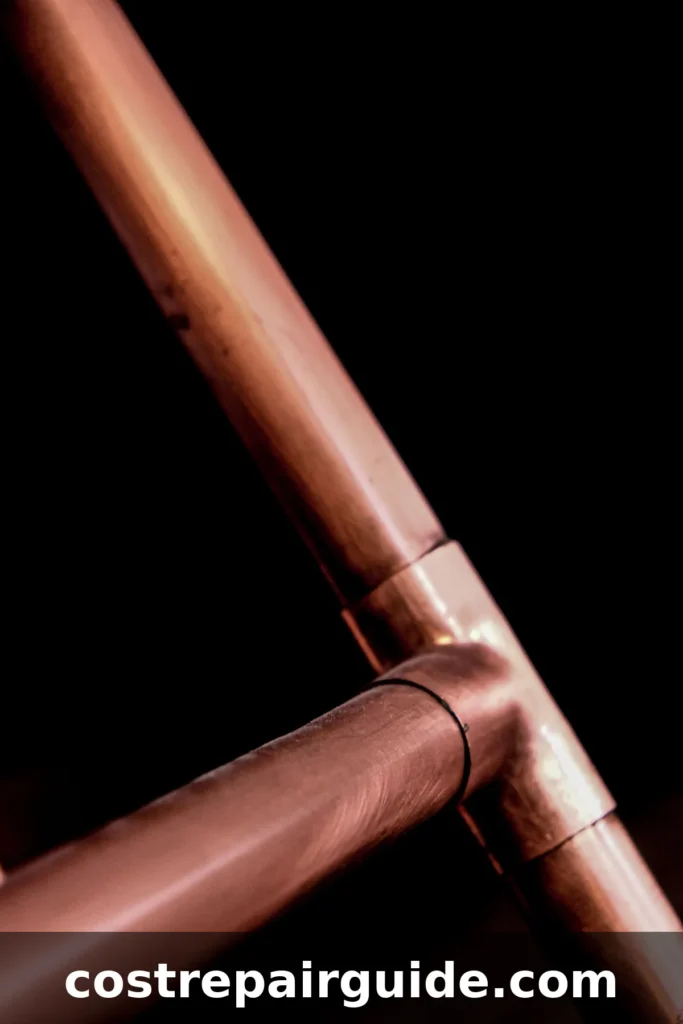
- Old pipes are removed or capped off while new PEX or copper lines are run through the same or updated pathways.
- Each fixture is reconnected and pressure-tested before the work is considered complete.
- Drywall, flooring, or ceiling patches are typically handled last, either by the plumbing company or a contractor they coordinate with.
What Affects Whole-House Repipe Pricing
Home Size and Number of Fixtures
More bathrooms, more fixtures, and more square footage all mean more pipe and more labor hours, directly increasing the total.
Wall and Floor Access
Open access, like an unfinished basement, makes running new pipe faster. Finished walls and multiple floors require more cutting and patching, which adds cost.
Pipe Material Chosen
As shown above, PEX generally costs less in materials than copper, though the gap narrows once labor is factored in.
Age and Layout of the Home
Older homes with unusual layouts or outdated pipe routing sometimes need more creative solutions to reach every fixture. This can add time.
How to Save Money on Repiping
- Get at least three quotes for a whole-house repipe, since pricing can vary significantly between companies for the same scope of work.
- Ask whether PEX is a good fit for your home, since it often costs less and requires fewer joints than copper.
- Consider timing the project alongside other renovations, like a bathroom remodel, where walls are already open.
- Confirm the quote includes drywall patching and repair, since some companies bill this separately after the plumbing work is done.
Regional Cost Differences for Repiping
| Region | Whole-House Repipe Cost Range |
|---|---|
| Northeast (NY, MA, NJ) | $2,500 – $17,000 |
| West Coast (CA, WA, OR) | $2,500 – $16,500 |
| Midwest (OH, IL, MI) | $1,800 – $14,000 |
| South (TX, FL, GA) | $1,800 – $13,500 |
| Mountain West (CO, UT, AZ) | $2,000 – $14,500 |
Labor costs tend to run highest on the coasts, which widens the top end of the whole-house repipe range in those regions compared to the Midwest and South.
Frequently Asked Questions
Frequent leaks in different spots, visible pipe corrosion, or persistent low pressure throughout the home are the clearest signs that repair alone will not solve the underlying issue.
Many guides mix small, single-fixture repipe jobs with full whole-house projects into one average. This creates a misleadingly wide and confusing range.
PEX has a strong track record for residential plumbing and resists corrosion well, though some homeowners and local codes still prefer copper for certain uses.
Most whole-house repipes take two to five days, depending on home size, the number of fixtures, and how much wall or floor access is needed.
Water is typically shut off for portions of each day during active work, but most plumbers coordinate to minimize extended outages.
In most homes, yes, unless there is already significant open access like an unfinished basement. Patching this damage is usually part of the total project cost.
This is possible but less common, since both sets of lines are often the same age and material and tend to fail around the same time.
Generally no, since it is considered maintenance or improvement rather than damage repair, unless it directly follows a covered insurance event.
These gray plastic pipes were common in homes built between the 1970s and 1990s. A plumber can confirm the material during an inspection.
New plumbing can be a meaningful selling point, especially in older homes, since it removes a common concern for buyers during inspection.
Most homeowners stay in the home during the project, though access to water at specific fixtures is limited while work is underway in that area.
Not automatically. These are usually quoted as separate add-ons, so confirm with your plumber whether they are included in your estimate.
Compare the pipe material specified, whether drywall patching is included, and the warranty offered, not just the bottom-line price.
Often, yes. Walls are already open during a remodel, which reduces the demolition and patching labor that normally adds to repiping cost.
Final Thoughts
Repiping cost depends entirely on scope: a single-fixture job can run under $700, while a true whole-house repipe typically falls between $2,000 and $16,000. The wide range you see online usually comes from guides blending these two very different projects together. If your home has repeated leaks, visible corrosion, or persistent low pressure, get a professional assessment to find out whether a targeted repair or full repiping makes more financial sense long term.
Sources
- This Old House – Repiping guidance
- HomeAdvisor – Repiping cost data