
HVAC Cost Guides: Find the Right Repair Price Fast
HVAC repair costs vary more than almost any other home repair category. A simple capacitor swap and a full compressor replacement can differ by thousands of dollars. That is why this site breaks HVAC costs into dozens of specific guides. One page trying to cover everything at once would not work as well.
Each guide below focuses on a single repair, part, or service call type. Each page covers real price ranges and the specific factors that push that price up or down. Each one also lists the questions worth asking before you approve any work. If you already know what failed, jump straight to that guide. If you are not sure yet, start with the general HVAC Repair Cost guide, which covers the full picture first.
HVAC pricing also depends on things a single page cannot fully capture. Your local labor market and your system’s age and brand both move the number. So does whether the call happens during business hours or at 2 a.m. on a holiday. The guides below provide real ranges rather than a single misleading average, so you can judge where your situation likely falls.

How These Guides Are Organized
The list below is grouped by system area, from AC and heating repairs to coils, ductwork, and service calls. Each group covers a distinct part of your HVAC system. You can scan for the section that matches your symptom instead of reading through repairs that do not apply to you.
If your system shows more than one symptom at once, start with the general HVAC Repair Cost guide. A tech will often find a second failing part connected to the first. That overview guide explains how repairs commonly bundle together.
DIY vs. Calling a Professional
Some HVAC tasks are safe for most homeowners to handle. Changing a filter, checking a thermostat setting, and clearing debris from an outdoor unit all fall into that category. Anything involving refrigerant, electrical components, or gas connections needs a licensed technician. Refrigerant work specifically requires EPA Section 608 certification by federal law, so this is not just a safety preference.
Each guide below notes which parts of that repair are realistic to attempt yourself. It also flags which parts genuinely require a professional. When in doubt, a technician’s diagnostic visit is far cheaper than the cost of a mistake that damages a more expensive component.
Why HVAC Costs Vary by Region
HVAC labor rates differ significantly by region. Local cost of living plays a role, as does the number of technicians competing for work in your area. Coastal cities and the Northeast tend to run above the national average. Some rural areas run higher too, despite lower general living costs. Fewer HVAC companies are available there to compete for the job.
Every guide below gives a national range as your starting point. A local quote is still the only way to know your exact number. Knowing the national range first helps you spot a quote that looks unusually high or low.
The full overview covering every major repair type in one place. Start here if you are not sure which part failed or if more than one system component seems to be involved.
HVAC Service Call Cost
What a technician charges just to show up, inspect your system, and tell you what is wrong. This fee is separate from the repair itself.
AC and Cooling Repairs
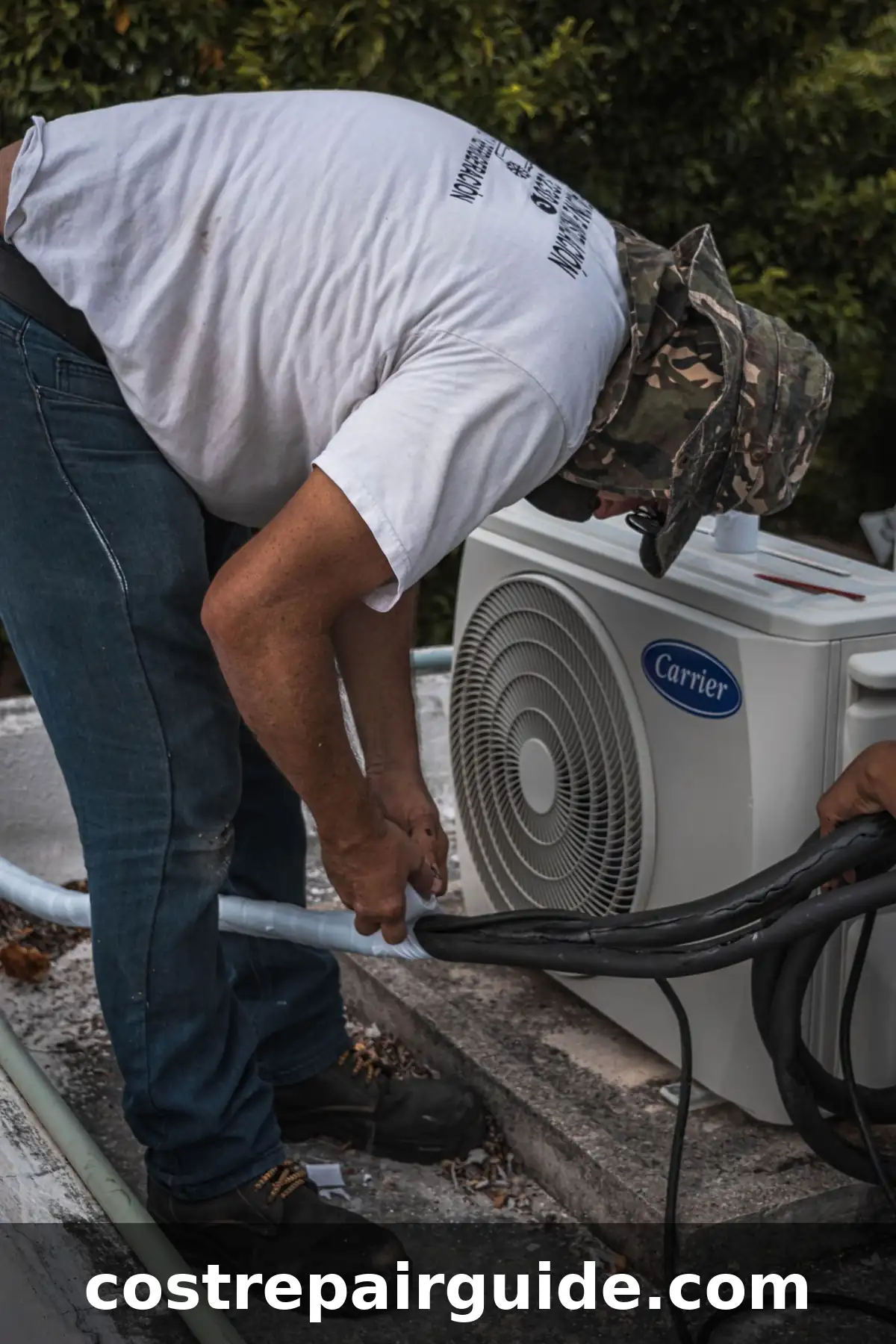
Air conditioning repairs make up the largest single category of HVAC calls, especially during peak summer months. These guides cover the most common cooling system failures, from small electrical parts to major mechanical components.
Heating Repairs
Heating failures tend to surface at the worst possible time, usually during the first serious cold snap of the season. These guides cover the two most common home heating system types.
Coil Replacement
Coil problems sit in an unusual spot in HVAC pricing. They are not as cheap as a small electrical part, but not as expensive as a full system replacement either. These three guides break the topic down by the exact coil that failed.

Ductwork
Not every HVAC problem is inside the AC or furnace itself. Sometimes the issue is in the network of ducts that actually delivers air to your rooms.
Parts and Systems
These guides cover components that support your whole HVAC system rather than a single AC or furnace part.
Service and Maintenance
These guides cover the cost of keeping your system running well. They also cover what happens when something breaks outside normal business hours.
Still Not Sure Where to Start
If your system shows more than one symptom, or you just do not know where to begin, start with the HVAC Repair Cost guide. It covers the full picture and points you to every specific guide above.
You can also browse every other repair category from the CostRepairGuide.com homepage.