
A sump pump works quietly in the basement or crawl space until the moment it is needed most, usually during a heavy storm. Finding out it has failed during that exact moment is the scenario every homeowner wants to avoid. Repair costs for a sump pump depend on which part has failed. A simple float switch issue is one of the cheapest fixes in all of home plumbing repair, while a motor failure costs considerably more.
Quick Answer: Sump pump repair cost averages around $531, with a typical range of $309 to $755. A float switch repair can cost as little as $75, while a motor replacement often runs $150 to $300 in parts alone, plus labor.

Sump Pump Repair Cost by Part
| Part or Issue | Typical Cost Range |
|---|---|
| Float switch repair or replacement | $75 – $125 |
| Check valve repair | $75 – $200 |
| Motor replacement | $150 – $300 (plus labor) |
| Full pump replacement | $300 – $1,200 installed |
| Battery backup system repair | $150 – $400 |
Pedestal vs. Submersible Sump Pump Repair Cost
| Pump Type | Typical Repair Cost | Notes |
|---|---|---|
| Pedestal pump | $75 – $300 | Motor sits above the pit, easier and cheaper to access |
| Submersible pump | $150 – $500 | Motor sits inside the pit, requires removal to service |
| Combination or backup system | $150 – $600 | More components, higher diagnostic time |

What Affects the Price of a Sump Pump Repair
Which Part Has Failed
The float switch, which triggers the pump to turn on, is the most common point of failure and also the cheapest to fix. A failed motor is a bigger job and costs more in both parts and labor.
Pump Type
Pedestal pumps, with the motor sitting above the pit, are generally easier and cheaper to service than submersible pumps, which sit inside the water and require pulling the entire unit to access the motor.
Age of the Pump
Most sump pumps last 7 to 10 years. A pump near or past that age is more likely to need a full replacement rather than a repair, since parts become harder to justify on an aging unit.
Whether a Backup System Is Involved
Homes with a battery backup or water-powered backup sump system have more components that can fail, which can add complexity and cost to diagnosing the actual problem.
Pit Size and Pump Horsepower
A larger pit or a higher-horsepower pump designed for heavy water volume can cost more to service, simply because the components themselves are larger and heavier to work with.
Common Sump Pump Problems
Pump Does Not Turn On
This is most often a float switch issue, either stuck, disconnected, or worn out. It is usually the fastest and cheapest sump pump repair.
Pump Runs Constantly
This can mean the float switch is stuck in the “on” position, or that the pump is undersized for the amount of water entering the pit.
Pump Runs but Does Not Remove Water
A clogged intake screen or a failed check valve, which lets water flow back into the pit after the pump shuts off, are common causes.
Pump Makes Loud or Unusual Noise
This often points to a worn motor bearing or debris caught in the impeller, both of which should be checked before the pump fails completely.
Battery Backup Not Activating During an Outage
This usually points to a dead or aging backup battery, which should be tested and replaced on a schedule rather than waiting for it to fail during an actual power outage.
Battery Backup Sump Pumps: Worth the Extra Cost?
A standard sump pump stops working the moment the power goes out, which is exactly when many basement floods happen during a storm. A battery backup system, which costs $150 to $600 to add or repair, keeps the pump running for several hours during an outage. For homes with a history of flooding or in storm-prone areas, this is one of the more cost-effective upgrades available.
What to Expect During a Sump Pump Repair Visit
- The plumber or technician tests the pump by adding water to the pit and observing the full cycle, from activation to shutoff.
- The float switch, check valve, and discharge line are inspected for the most common points of failure.
- If the motor is suspected, a submersible pump is removed from the pit for closer inspection, while a pedestal pump can usually be checked in place.
- Once repaired, the pump is tested again under the same conditions to confirm it activates and drains properly.
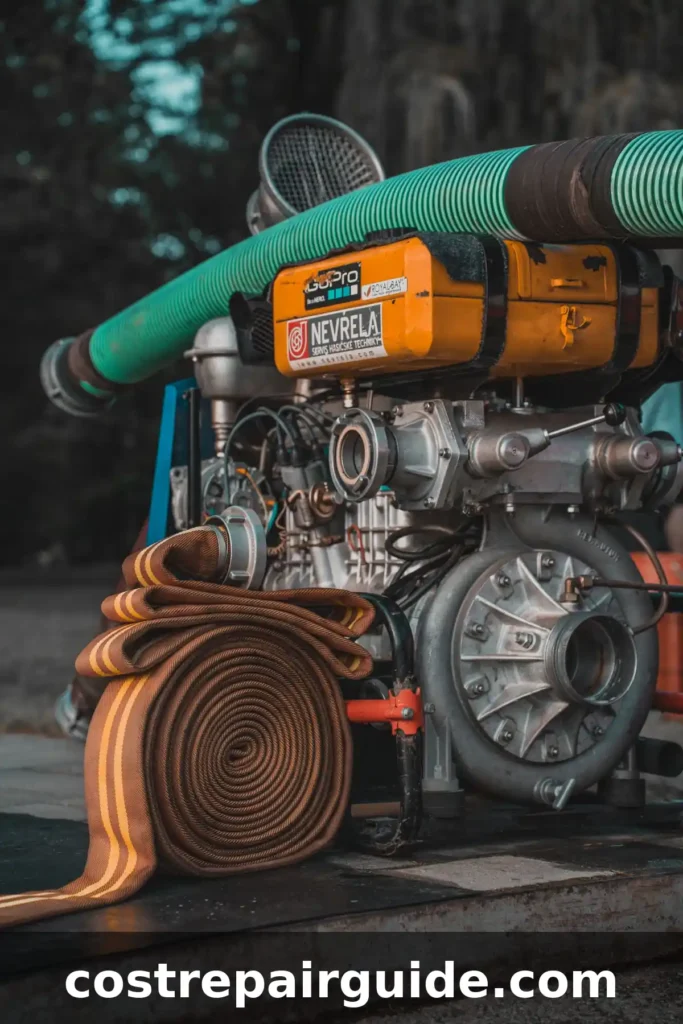
Sump Pump Repair vs. Replacement
Repair makes sense for a pump under 7 years old with one isolated part failure, especially a float switch or check valve issue. Replacement becomes the better choice once the motor fails on an older pump, since motor replacement parts combined with labor can approach the cost of a new unit.
How to Save Money on Sump Pump Repair
- Test your sump pump a few times a year by pouring water into the pit to confirm it activates and drains properly.
- Keep the pit free of debris, which can clog the intake screen and strain the motor over time.
- Consider a battery backup system if you do not already have one, since pump failures during power outages are one of the most common causes of basement flooding.
- Replace an aging pump proactively before it fails, rather than waiting for an emergency repair during a storm.
- Test backup batteries annually, since a dead battery defeats the purpose of having a backup system at all.

Regional Cost Differences for Sump Pump Repair
| Region | Typical Sump Pump Repair Cost |
|---|---|
| Northeast (NY, MA, NJ) | $150 – $700 |
| West Coast (CA, WA, OR) | $150 – $650 |
| Midwest (OH, IL, MI) | $100 – $550 |
| South (TX, FL, GA) | $100 – $500 |
| Mountain West (CO, UT, AZ) | $110 – $500 |
Sump pump repair demand and pricing tends to run highest in regions with heavy seasonal rainfall or snowmelt, particularly the Midwest and Northeast, where basement flooding risk is more common.
DIY Sump Pump Checks Before Calling a Plumber
- Pour a bucket of water into the pit and watch whether the pump activates, removes the water, and shuts off correctly.
- Check that the discharge pipe outside the home is clear of debris, ice, or a closed valve, which can cause the pump to run without actually draining water.
- Listen for grinding or rattling during the test cycle, which usually points to a motor or impeller problem rather than a simple switch issue.
- Confirm the pump is plugged directly into an outlet rather than through a power strip, since some models require a dedicated circuit to run properly.
These checks take only a few minutes and can rule out simple fixes, like a stuck float or blocked discharge line, before paying for a service call.
Frequently Asked Questions
Final Thoughts
Sump pump repair cost averages around $531, though a simple float switch fix can cost as little as $75. The part that failed, and the age of the pump, drive most of the price difference. Testing your pump a few times a year catches small problems before a storm turns them into a flooded basement. If your pump is approaching 10 years old and needs a motor repair, replacement is usually the smarter long-term choice.
Sources
- Family Handyman – Sump pump maintenance
- Angi – Sump pump repair costs