
A gas line issue is not like a typical plumbing repair costs. Before any discussion of cost, safety comes first: if you smell gas, hear hissing near a gas appliance, or see dead vegetation in a line of your yard, leave the area and call your gas utility or 911 before calling a plumber. Once the situation is confirmed safe, licensed plumbers or gas fitters handle the actual repair, and pricing depends mostly on whether the issue is a minor fix or a full line replacement.
Quick Answer: Gas line repair cost typically runs $150 to $300 for minor repairs. Installing a new line or replacing a longer section runs $300 to $3,000, depending on length and complexity.

Gas Line Repair Cost by Scope
| Repair Scope | Typical Cost Range |
|---|---|
| Minor repair (fitting, small section) | $150 – $300 |
| Appliance connector replacement | $100 – $250 |
| New line installation, short run | $300 – $1,000 |
| New line installation, long or complex run | $1,000 – $3,000 |
Safety First: What to Do If You Suspect a Gas Leak
- Leave the home or area immediately. Do not turn on or off any light switches or electrical devices.
- Do not use a phone inside the home. Call from outside or from a neighbor’s property.
- Call your gas utility’s emergency line and, if there is any immediate danger, 911.
- Do not attempt to locate or fix the leak yourself under any circumstances.
- Wait for a professional to confirm it is safe before going back inside.
Gas Line Repair Cost by Material
| Pipe Material | Typical Repair Cost | Notes |
|---|---|---|
| Black steel | $150 – $600 | Most common in older homes, prone to corrosion over decades |
| Copper | $200 – $700 | Durable but less common for gas in newer construction |
| Corrugated stainless steel (CSST) | $150 – $500 | Common in newer homes, flexible and easier to route |
| Polyethylene (buried lines) | $300 – $1,500 | Used for underground runs to meters and outdoor appliances |
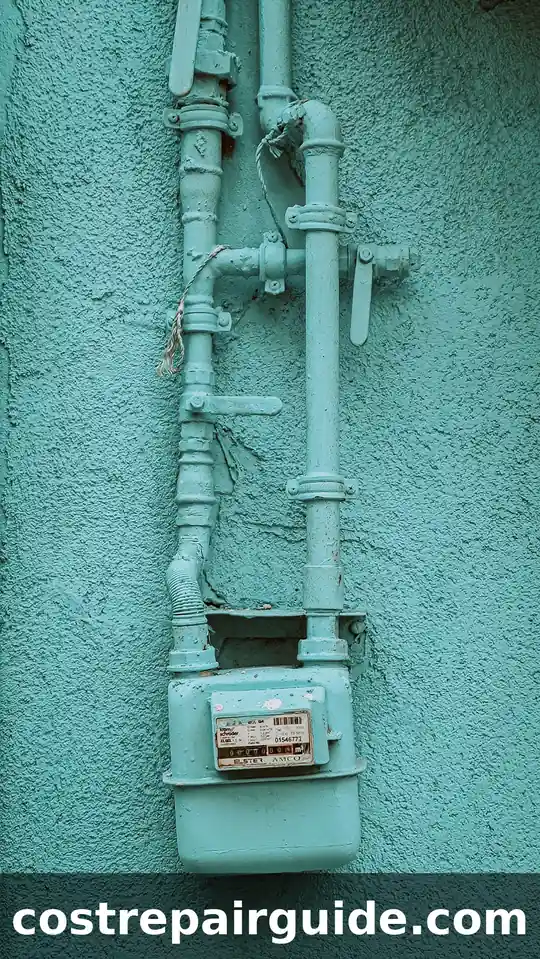
What Affects the Price of a Gas Line Repair
Minor Repair vs. New Installation
A small fitting replacement or a repair to an existing line is far cheaper than running an entirely new gas line to a different part of the home, such as for a new range or outdoor grill.
Length of the Line
Longer runs require more pipe, more labor, and often more permit and inspection work, all of which add to the total cost.
Accessibility
A line running through an open basement or crawl space is cheaper to access than one buried underground or routed through finished walls.
Permits and Inspection
Most areas require a permit and inspection for gas line work, since this is a safety-regulated trade. These fees are usually separate from the labor and material cost.
Pipe Material
As shown above, material affects both the repair approach and the typical cost, with buried polyethylene lines generally costing more due to excavation work.

Who Repairs Gas Lines?
Gas line work is typically handled by licensed plumbers with gas-fitting certification, or by a dedicated gas fitter, depending on local regulations. Always confirm the professional is licensed for gas work specifically, since not every general plumber carries this certification.
Some utilities also offer their own gas line inspection and minor repair services for the section of line they own, which is worth checking before hiring an outside contractor for every issue.
Common Reasons for Gas Line Repair
Corroded or Damaged Pipe
Older steel gas lines can corrode over time, similar to water pipes, eventually developing a leak at a weak point.
Loose or Faulty Fittings
Connections at appliances or shutoff valves can loosen or wear out. This is one of the more common and affordable gas line repairs.
Damage From Digging or Construction
Gas lines run underground to reach meters and outdoor appliances. This puts them at risk during landscaping, fencing, or construction work if lines are not properly marked first.
Appliance Installation Errors
A gas range, dryer, or water heater connected incorrectly can create a slow leak at the connector, which is why a licensed installer should always handle new gas appliance hookups.
What to Expect During a Gas Line Repair Visit
- The technician confirms there is no active danger before beginning any work, often using a gas detector to check ambient levels.
- The affected section of line is isolated and the gas supply shut off at the meter or an upstream valve.
- The damaged fitting or pipe section is repaired or replaced, following current safety codes for the pipe material involved.
- The repaired line undergoes a pressure test to confirm there are no remaining leaks before gas service is restored.
- A permit inspection is scheduled if required in your area, which confirms the work meets code before final sign-off.
How to Save Money on Gas Line Repair
- Always call 811 before digging anywhere in your yard, a free service that marks underground utility lines, including gas.
- Combine a gas line repair with other plumbing work on the same visit if the same company handles both.
- Ask for a written estimate that separates labor, materials, and permit fees before work begins.
- Schedule a professional gas line inspection every few years in older homes to catch corrosion before it becomes a leak.
- Check whether your gas utility offers a free or low-cost leak check, which some providers include as a standard service.
Regional Cost Differences for Gas Line Repair
| Region | Typical Gas Line Repair Cost |
|---|---|
| Northeast (NY, MA, NJ) | $200 – $900 |
| West Coast (CA, WA, OR) | $200 – $900 |
| Midwest (OH, IL, MI) | $150 – $650 |
| South (TX, FL, GA) | $150 – $700 |
| Mountain West (CO, UT, AZ) | $160 – $700 |
Frequently Asked Questions
Leave the home immediately without using light switches or your phone inside, then call your gas utility’s emergency plumbing line from a safe distance.
No. Gas line work should always be handled by a licensed professional due to the serious safety risks involved with a mistake.
A short, accessible run typically costs $300 to $1,000, while longer or more complex installations can reach $3,000 or more.
In most areas, yes. Gas line work is regulated for safety, and a licensed professional will typically handle the permit and inspection process.
A licensed gas fitter can assess corrosion, leak history, and pipe condition to recommend whether a repair or a full line replacement makes more sense.
It is a free national service that marks underground utility lines, including gas, before you dig. Calling before digging prevents accidental gas line damage.
It can be a sign of a leak and should be treated as an emergency plumbing. Leave the area and call your gas utility immediately rather than investigating yourself.
A minor repair can often be completed within a few hours, while new line installations may take a full day depending on length and permit timing.
Coverage varies by policy. Some plans cover gas line damage from a covered event, but routine wear and tear is typically not included.
Either can be appropriate depending on the issue and your location. Confirm the professional holds gas-fitting certification before scheduling the work.
Reaching a buried polyethylene line requires excavation, similar to a water line repair, which adds labor cost beyond the pipe repair itself.
In most areas, the utility owns the line up to the meter, while the homeowner is responsible for everything past that point, similar to water line ownership.
Minor fitting issues on CSST lines can often be repaired, but damaged sections of the flexible tubing itself typically need to be replaced rather than patched.
A professional inspection every few years is a reasonable precaution for homes with older steel gas lines, which are more prone to corrosion over time.
Final Thoughts
Gas line repair cost typically runs $150 to $300 for a minor fix and up to $3,000 for a new or complex installation. Unlike most plumbing repair costss, safety always comes before cost with gas line issues. If you ever suspect a leak, leave the area first and call for help before thinking about pricing. Once the situation is confirmed safe, a licensed gas fitter can give you an accurate estimate for the repair needed.
Sources
- U.S. Energy Information Administration – Natural gas safety info
- Angi – Gas line cost data