
A shower that will not shut off all the way, or one that drips for hours after someone uses it, wastes water every single day it goes unfixed. Most homeowners want to know the price before they decide whether to call a plumber or wait. Shower repair costs vary more than almost any other plumbing repair job, because “shower repair” can mean a simple valve fix or a full pan replacement. Getting the right number means knowing which part of the shower has failed.
Unlike a sink or a faucet repair, most of a shower’s working parts are hidden inside the wall. That makes diagnosis the first real cost driver, since a plumber often has to narrow down the cause before quoting a final price.
Quick Answer: Shower repair cost typically runs $150 to $600, depending on the part. A shower faucet or valve repair alone often costs $275 to $331, while pan or drain repairs can run higher.
Shower Repair Cost by Problem
| Shower Issue | Typical Cost Range |
|---|---|
| Shower faucet or valve repair | $275 – $450 |
| Diverter valve replacement | $150 – $350 |
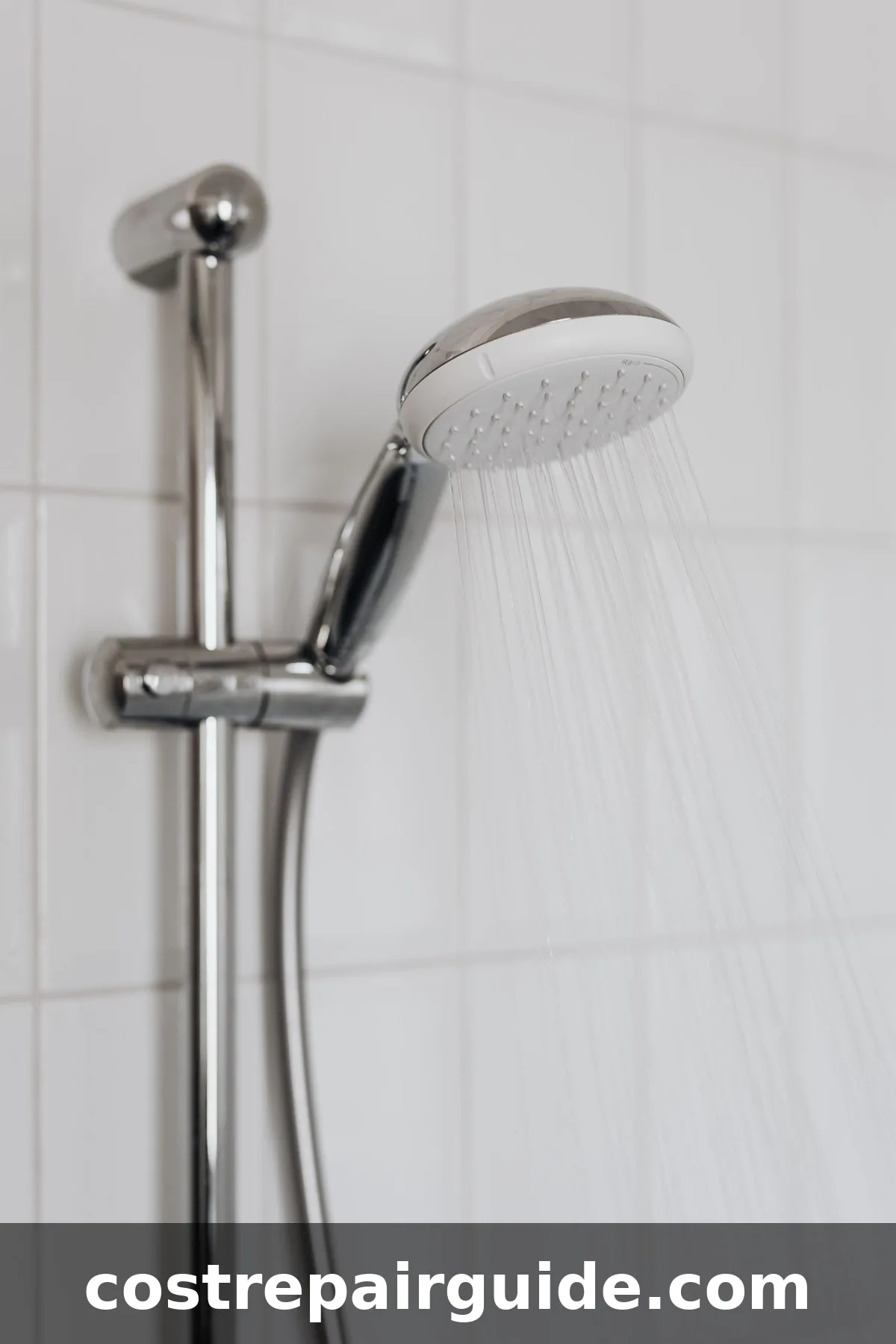
| Showerhead replacement | $75 – $200 |
| Shower drain clog or leak | $150 – $400 |
| Shower pan leak repair | $300 – $600 |
| Shower door or enclosure hardware | $100 – $300 |
| Steam shower or body spray system repair | $300 – $800 |

Shower Valve Types and What They Cost to Fix
| Valve Type | Typical Repair Cost | Notes |
|---|---|---|
| Single-handle cartridge valve | $275 – $400 | Most common in homes built after 1995 |
| Two-handle compression valve | $150 – $300 | Common in older homes, two separate stems to service |
| Thermostatic mixing valve | $350 – $600 | Found in higher-end showers, more complex to diagnose |
| Pressure-balancing valve | $250 – $450 | Common safety feature in modern shower installations |
Knowing which valve type your shower uses before calling a plumber can speed up the visit, since some parts need to be special-ordered for thermostatic and older compression-style systems.

What Affects Shower Repair Cost
Which Part Has Failed
A showerhead swap is one of the cheapest fixes on this list. A shower valve buried inside the wall takes longer to access and usually costs more.
Single-Handle vs. Two-Handle Showers
Single-handle showers use one cartridge or valve. This is usually simpler and cheaper to repair than older two-handle systems with separate hot and cold valves.
Access to the Valve
Some showers have an access panel behind the wall on the other side, which speeds up the repair. Without one, the plumber may need to cut into tile or drywall, which adds cost.
Age and Brand of Fixtures
Common brands like Moen, Delta, and Kohler use parts most plumbers stock. Older or specialty European fixtures sometimes need a special-order part, which adds time and cost.
Shower Type
A standard tub-shower combo is usually the cheapest to service. A walk-in tile shower with a separate pan, a steam system, or multiple body sprays adds more components that can fail and more labor to diagnose them.
Common Shower Problems and Their Fixes
Water Temperature Will Not Adjust Properly
This usually points to a worn cartridge inside the valve, which controls the hot and cold mix. Replacing the cartridge is a standard, moderately priced repair.
Shower Keeps Dripping After It Is Shut Off
A worn valve seat or cartridge is the most common cause. Left alone, this can waste hundreds of gallons of water a month.
Water Pooling on the Bathroom Floor
This points to a leak at the shower pan or the drain seal, not the valve. It is one of the more expensive shower repairs since it can involve removing part of the floor.
Low Water Pressure From the Shower
A clogged showerhead is the most common and cheapest cause. If cleaning the showerhead does not help, the valve or supply line may be restricted.
Shower Will Not Switch From Tub Spout to Showerhead
This points to a worn diverter valve, which redirects water flow. It is a moderately priced repair, usually simpler than a full valve replacement.
Water Leaking Behind the Shower Wall
If you notice warped drywall, peeling paint, or a musty smell in an adjacent room, water is likely escaping from the valve or pipe connections inside the wall. This should be addressed quickly before it spreads to framing and subfloor.
What to Expect During a Shower Repair Visit
- The plumber runs the shower and tests hot and cold separately to isolate whether the valve, cartridge, or supply lines are the cause.
- If an access panel exists behind the shower wall, the plumber uses it first to avoid cutting into tile.
- Without an access panel, a small, precise opening is cut into the wall on the opposite side, which can usually be patched afterward.
- The worn part is replaced, and the shower is tested under full pressure and at varying temperatures before the job is considered complete.
Shower Repair vs. Full Shower Remodel
Repair makes sense when the issue is isolated to one part, like a valve, diverter, or showerhead, and the surrounding tile and pan are in good condition. A full shower remodel, which can run well into the thousands of dollars, becomes the better option once the pan is cracked, the subfloor has water damage, or the tile needs to come out anyway to reach the plumbing.
How to Save Money on Shower Repair
- Clean mineral buildup from the showerhead yourself with a vinegar soak before assuming you need a replacement.
- Ask if your home has an access panel on the back side of the shower wall. This can lower labor time significantly.
- Get a flat quote for valve repairs rather than an open-ended hourly rate, since the time to cut into a wall can vary.
- Fix a dripping valve promptly. Ignoring it for months often lets the leak spread into pan or subfloor damage, which costs far more.
- Mention your valve brand and type when booking, if you know it, to help the plumber bring the likely part on the first visit.
Regional Cost Differences for Shower Repair
| Region | Typical Shower Repair Cost |
|---|---|
| Northeast (NY, MA, NJ) | $200 – $650 |
| West Coast (CA, WA, OR) | $200 – $650 |
| Midwest (OH, IL, MI) | $150 – $450 |
| South (TX, FL, GA) | $150 – $500 |
| Mountain West (CO, UT, AZ) | $160 – $500 |
Signs You Need a Professional
- Water appears on the ceiling or wall below the bathroom, which points to a hidden leak.
- The shower valve will not shut off completely.
- You notice soft or discolored flooring near the shower base.
- The shower pan flexes or feels unstable when you stand on it.
- Hot and cold water will not mix properly no matter how the handle is adjusted.
Preventing Future Shower Repairs
Clean Showerheads Regularly
Mineral deposits build up fastest in homes with hard water. A monthly vinegar soak keeps the spray holes clear and reduces strain on the valve from restricted flow.
Avoid Forcing a Stuck Handle
If a shower handle feels stiff or difficult to turn, forcing it can damage the cartridge or stem inside. A stiff handle is often an early warning sign worth addressing before it fails completely.
Address Small Drips Immediately
A shower that drips for even a few minutes after each use wastes a measurable amount of water over a year, and the moisture it creates in an enclosed shower can encourage mold growth over time.
Know Where Your Access Panel Is
If your home has a rear access panel for the shower valve, often located in a closet or adjacent room, make a note of it. It can save real money on any future valve repair by letting the plumber skip cutting into tile.
Frequently Asked Questions
A plumber can usually tell from the leak pattern and water temperature issues. Cartridge replacement is far more common and cheaper than replacing the entire valve body.
Shower valves sit inside the wall. This takes more time to access than a kitchen faucet sitting in the open on the countertop.
Small leaks at the drain seal sometimes can. A cracked pan or one with water damage underneath usually requires removing part of the floor.
A brief drip for a few seconds is normal. Dripping that continues for minutes or hours points to a worn valve that needs attention.
Most cartridge or valve repairs take one to two hours, longer if the plumber needs to cut into a wall without an access panel.
Only if the plumber needs to access the valve through the tile wall. This happens when there is no rear access panel available.
Yes, most showerheads unscrew and install by hand or with a wrench, making this one of the easiest shower repairs to do without a plumber.
A clogged showerhead is the most common cause, followed by a partially closed shut-off valve or mineral buildup inside the pipe.
Usually only if it caused sudden, accidental water damage elsewhere in the home. Gradual leaks from wear and tear are typically not covered.
Most valves do not need routine service, but replacing worn cartridges every 8 to 10 years can prevent sudden leaks.
It automatically balances hot and cold water to a set temperature using more internal components than a standard valve, which takes longer to diagnose and often needs a specialty part.
Often, yes. Many diverters are accessible from the tub spout or shower arm itself, without needing to access the valve behind the wall.
This points to a pressure-balancing valve that is not functioning correctly, or a plumbing system that needs a pressure-balanced valve installed.
No. A properly installed and functioning valve should fully stop water flow when closed. Persistent dripping points to an installation issue or a defective part.
Final Thoughts
Shower repair cost depends heavily on which part failed, from a $75 showerhead swap to a $600 pan repair. Valve and cartridge issues make up most calls and usually land in the middle of that range. Catching a dripping valve early keeps the repair simple and affordable. Waiting too long risks turning a $300 valve fix into a much larger pan or subfloor repair.
Sources
- Family Handyman – Shower repair guidance
- Angi – Shower repair cost data