
HVAC Repair Cost: Average Prices and What Changes the Bill in 2026
It never happens at a convenient time. The AC quits on the hottest Friday of summer. The furnace stops on the coldest Sunday in January. The system was working fine until it was not. And now a technician is standing in the living room with a quote.
That moment is what this guide exists for. The quote is in hand. The house is uncomfortable. The clock is running. And most homeowners have no idea if the number on the page is reasonable, high, or includes things that should not be there.
Cost Repair Guide does not sell HVAC services. We give homeowners the context they need before that conversation happens. This page covers the full picture of HVAC repair costs in 2026, average prices by repair type, what each part typically costs, why quotes vary between companies, and what to ask before you approve anything.
Use this as your starting point. Then open the specific guide that matches your exact repair. Every section below links to a dedicated cost guide with deeper detail on that repair type.
Quick Answer
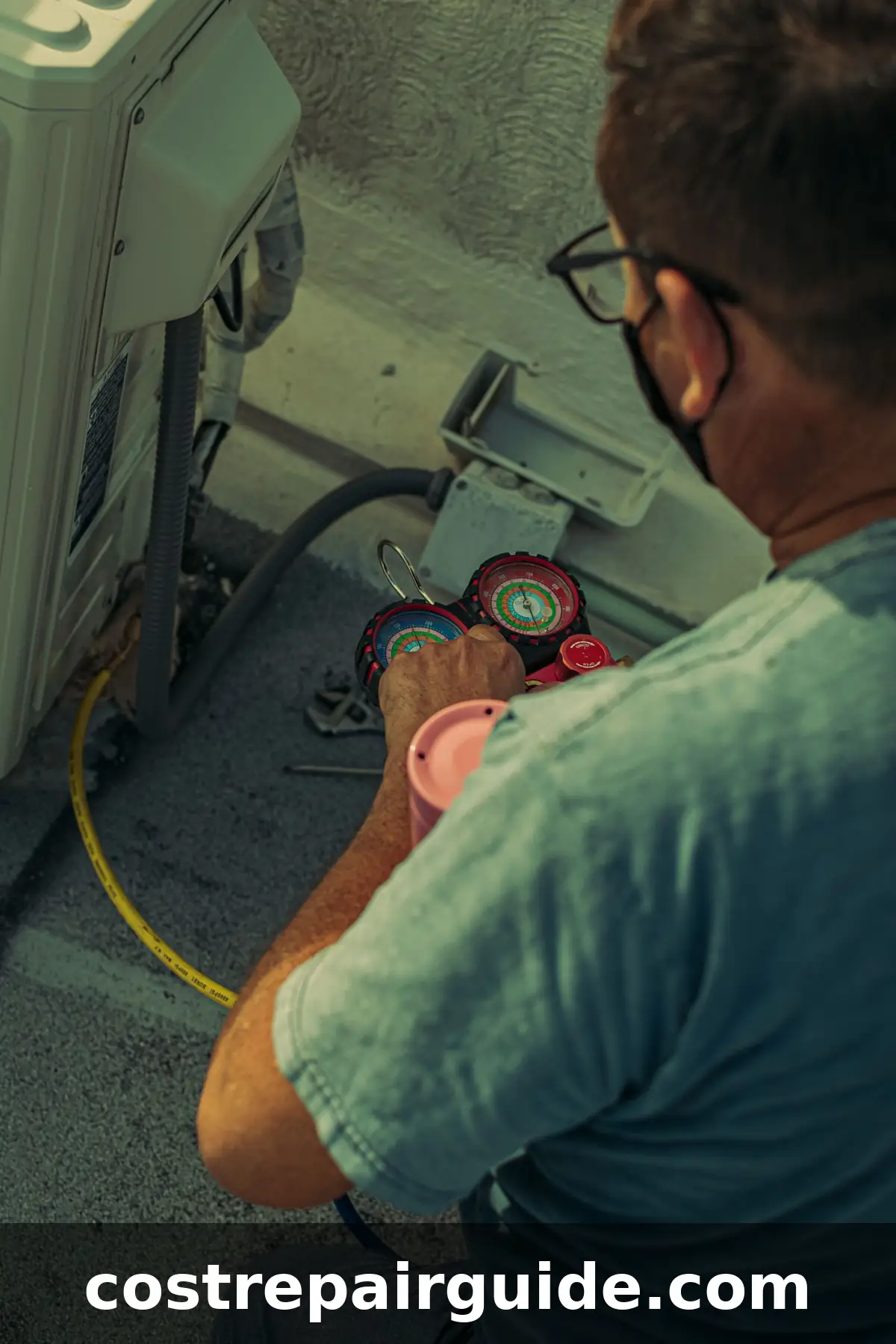
HVAC repair cost in 2026 ranges from $130 to $2,000 for most residential repairs. The average HVAC repair cost sits around $350 to $400. Minor fixes like a capacitor or flame sensor run $100 to $400. Major repairs (compressor, coil, heat exchanger) run $800 to $3,000 or more. HVAC repair cost per hour for labor runs $75 to $150 standard, and $140 to $210 for emergency calls. A service call or diagnostic fee of $75 to $200 is usually charged before any repair work begins.
These are national averages. Your local price depends on which part failed, your system type, the technician’s rate, and when you call. Use the table below to find your specific repair.
Average HVAC Repair Cost by Repair Type 2026
This table covers the most common HVAC system repair costs. Each row links to a dedicated guide with a part-by-part breakdown and cost factors for that specific repair.
The ‘Full Guide’ column links to a dedicated page with deeper cost breakdowns, part prices, labor factors, and questions to ask for that specific repair. Use the table as an index, then go to the guide that matches your situation.
Repair Type | Typical Cost Range | Common Cause |
AC repair common | $150 to $650 | Capacitor, refrigerant, electrical |
Furnace repair common | $125 to $480 | Ignitor, flame sensor, blower |
Thermostat repair or replacement | $100 to $500 | Dead batteries to full failure |
Capacitor replacement | $100 to $400 | Motor won’t start |
Blower motor repair or replacement | $300 to $1,500 | Weak airflow, motor noise |
Refrigerant leak repair | $200 to $1,500 | AC not cooling, icing |
Duct repair | $200 to $2,000 | Air loss, uneven rooms |
Control board replacement | $300 to $650 | System won’t respond |
AC compressor replacement | $800 to $2,800 | No cooling, major failure |
Heat pump repair | $200 to $1,500 | Reversal valve, refrigerant |
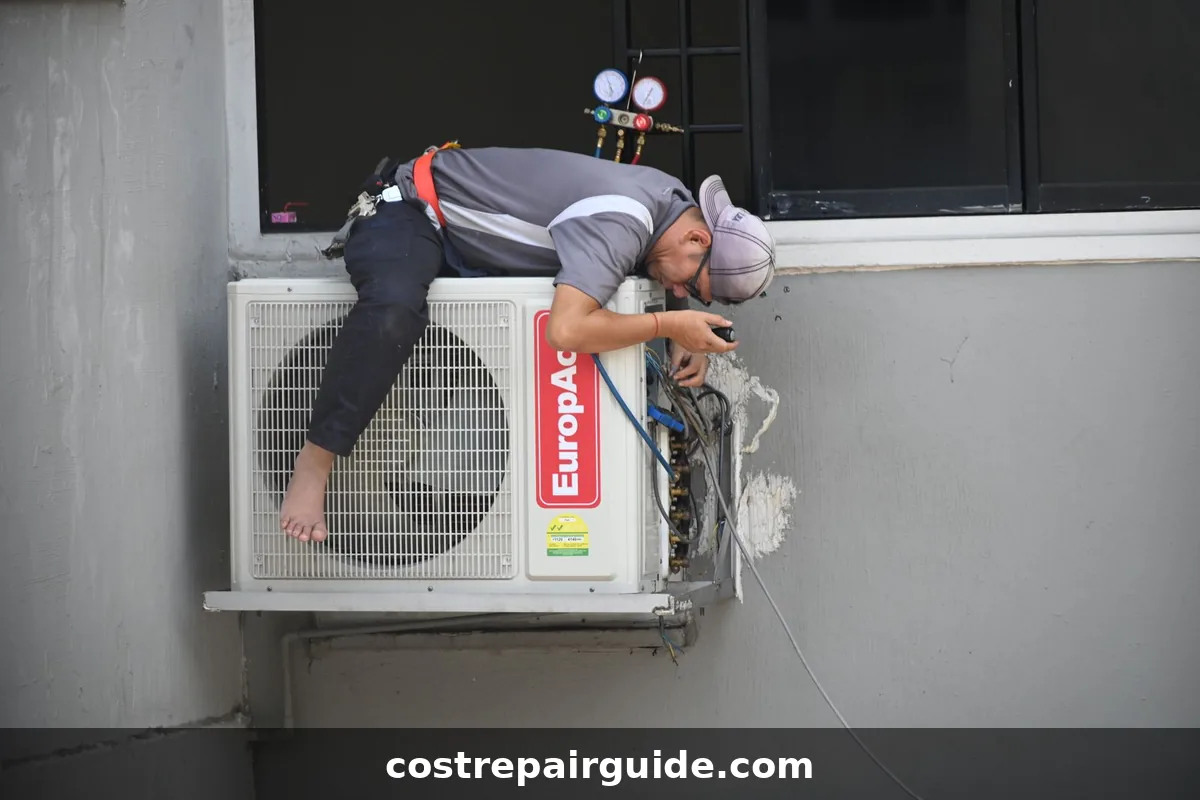
Emergency HVAC repair | $300 to $1,500+ | After-hours, weekend, holiday |
HVAC tune-up/maintenance | $150 to $350 | Annual prevention visit |
Simple HVAC Repair Cost Estimate
HVAC repair cost calculator tools online often give a single number that feels precise but is not. A more useful approach is understanding the four components that make up almost every HVAC repair bill.
Example: A $125 service call + 1.5 hours of labor at $120/hour + a $200 part = $505 total. That is a realistic mid-range bill for a common repair. If the quote is significantly higher than this structure, ask the technician to itemize each component so you can compare line by line. See the full guide on service call costs: HVAC Service Call Cost.
Bill Component | Typical Range | What It Covers |
Service call / diagnostic fee | $75 to $200 | Technician travel, inspection, diagnosis |
Labor | $75 to $150 per hour | Time to test, access, install, and verify |
Small or common part | $75 to $400 | Capacitor, sensor, thermostat, contactor |
Major part | $400 to $2,000+ | Compressor, coil, blower motor, board |
Emergency surcharge | 1.5x to 2x normal rate | After hours, weekends, holidays, heat waves |
Why HVAC Repair Prices Change
Two homeowners can describe the same symptom and receive quotes that differ by hundreds of dollars. The cost of HVAC repair is rarely a fixed number. These are the factors that move it most.
Which Part Failed
The failed part drives more of the final cost than anything else. A capacitor costs a fraction of what a compressor or evaporator coil costs. The technician needs to confirm which part actually failed before the quote becomes meaningful. A quote without a diagnosed part is not a complete quote.
HVAC Repair Cost Per Hour Labor
HVAC repair cost per hour runs $75 to $150 for standard service. Simple repairs take under an hour. Complex jobs involving refrigerant, electrical diagnostics, or difficult access can take two to four hours. Emergency calls run $140 to $210 per hour. Labor is often the largest line item on a mid-range repair bill.
System Type
Central AC, furnaces, heat pumps, mini-splits, and packaged rooftop units all use different parts and require different diagnostic approaches. Mini-split repairs differ from central AC repairs even when the symptom looks identical. Always confirm the technician has experience with your specific system type.
System Age
Older systems cost more to repair because parts are harder to source, labor access is often more difficult, and multiple components may be simultaneously failing. A furnace or AC unit past 12 to 15 years old is a candidate for the repair-versus-replacement conversation on any repair above a few hundred dollars.
Emergency Timing and Seasonality
Peak summer demand, cold snaps, weekends, and holidays push HVAC prices higher. The same technician who charges $120 per hour on a Tuesday may charge $180 per hour on a Saturday night. If the system is uncomfortable but not a safety risk, waiting until regular business hours is the simplest way to reduce cost.
Warranty Coverage
A manufacturer warranty can cover the cost of a failed part but typically does not cover labor. Always check warranty status before paying out of pocket for a part. Systems under 10 years old with documented maintenance history are most likely to have active coverage.
HVAC Refrigerant Leak Repair Cost
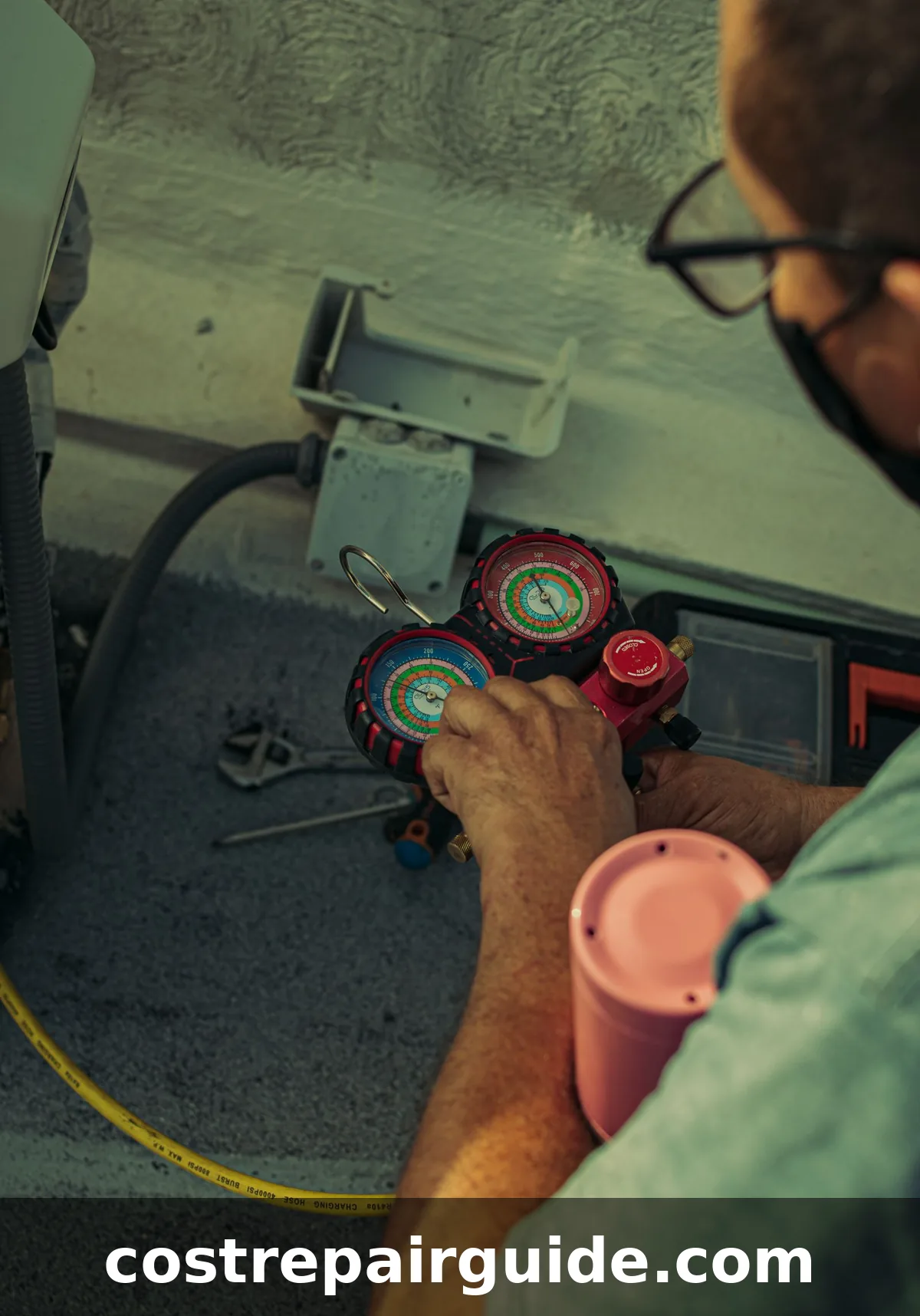
HVAC refrigerant leak repair cost is one of the more misunderstood HVAC bills because homeowners often hear two different things from different companies. A recharge adds refrigerant to the system. A leak repair finds where the refrigerant escaped and fixes the source. These are not the same job, and they do not cost the same.
HVAC freon leak repair cost: Note: R-22 refrigerant (sometimes called freon) is no longer produced in the US. Older systems using R-22 face significantly higher recharge costs than newer systems using R-410A. A system running on R-22 that needs a refrigerant leak repair and recharge can cost $1,000 to $2,500 or more in 2026.
HVAC coil leak repair cost: A leak in the evaporator or condenser coil involves both the coil repair and the refrigerant recharge. Coil repairs run $600 to $2,400 on their own. The refrigerant recharge adds $200 to $1,200+ depending on type and system size.
If a company recommends a recharge without mentioning a leak search, ask directly: did you test for a leak source? Simply recharging a leaking system is a temporary fix. The refrigerant will escape again. See the full guide: HVAC Refrigerant Leak Repair Cost.
HVAC Duct Repair Cost and Blower Motor Cost
HVAC refrigerant leak repair cost is one of the more misunderstood HVAC bills because homeowners often hear two different things from different companies.
HVAC Duct Repair Cost
HVAC duct repair cost runs $200 to $2,000 depending on the number of leaks, access difficulty, duct material, and whether sections need full replacement. Leaky ducts waste 20 to 30 percent of conditioned air before it reaches rooms, which raises energy bills without any obvious system failure.
Symptoms of duct problems include rooms that are consistently harder to heat or cool than others, a system that runs longer than expected, or a home where some rooms feel comfortable and others never reach the set temperature. These symptoms are often mistaken for system failures when the actual problem is in the distribution network.
For a full breakdown: HVAC Duct Repair Cost coming soon.

HVAC Blower Motor Repair Cost
HVAC blower motor repair cost runs $300 to $1,500 depending on whether the repair is minor or involves a full motor replacement. The blower motor pushes heated or cooled air through the ductwork. When it weakens or fails, airflow drops across the whole home, and the system works harder to compensate.
A weak blower is often misread as poor system performance. If your system seems to run constantly without reaching the set temperature, ask the technician to test blower motor function before diagnosing larger component failures.
Full guide: HVAC Blower Motor Replacement Cost coming soon.
Emergency HVAC Repair Cost
Emergency HVAC repair cost adds a meaningful premium on top of the standard repair price. Here is what to expect in 2026.
|
Service Timing |
Typical Labor Rate |
vs. Standard Rate |
|
Regular business hours |
$75 to $150/hour |
Baseline, lowest cost |
|
Evening or early morning |
$140 to $210/hour |
1.5x to 2x normal rate |
|
Weekend service |
$150 to $250/hour |
2x normal in most markets |
|
Holiday or same-day dispatch |
$200/hour+ |
Premium demand pricing |
|
Emergency dispatch flat fee |
$50 to $200 |
Added on top of hourly rate |
Emergency HVAC repair is worth the premium when the home is unsafe, temperatures are extreme, or someone with a health condition depends on the system. When the situation is uncomfortable but not dangerous, scheduling a next-business-day appointment saves real money on the identical repair.
Before booking emergency service, ask two questions: What is the exact emergency fee? And does it apply toward the repair? Full guide: Emergency HVAC Repair Cost.
HVAC Water Leak Repair Cost
HVAC water leak repair cost typically runs $75 to $350 for the most common causes. A condensate drain that is clogged or overflowing is the most frequent source of water near an indoor HVAC unit. High-efficiency systems produce significant condensate as a byproduct of operation, and a blocked drain lets it back up into the unit or onto the floor.
Other water leak sources include a cracked condensate pan, a failed condensate pump, or water dripping from a refrigerant line that is iced over. In central systems, a water leak near the air handler can also mean a frozen evaporator coil, which points back to an airflow or refrigerant issue rather than the leak itself.
Always identify the source of the water before approving repairs. Water sitting near electrical components needs immediate attention regardless of the cost.
HVAC Repair vs Install Cost: How to Decide
HVAC repair vs install cost is the right question to ask whenever a repair quote reaches the mid-hundreds or higher on a system with significant age. Here is a simple decision framework.
|
Situation |
Better Choice |
Why |
|
System under 8 years old, minor failure |
Repair |
Most useful life remains |
|
Small part failed, capacitor, sensor, thermostat |
Repair |
Affordable, isolated, almost always worth it |
|
System is 10 to 12 years old |
Compare both |
Age makes future repairs more likely |
|
Compressor or heat exchanger failed |
Get a second opinion |
Major repair, compare to new system cost |
|
Repair cost is 50%+ of new system cost |
Replace |
Long-term math favors new equipment |
|
System needs repair every season |
Replace |
Repeat bills add up fast |
|
System uses R-22 refrigerant |
Strongly consider replacement |
R-22 is no longer produced in the US; very expensive |
Before approving any repair above a few hundred dollars, ask the technician one direct question: given the age and current condition of this system, does repairing this part or replacing the whole unit make more financial sense? A straightforward answer tells you a lot about the technician’s approach.
What to Check Before Calling a Technician
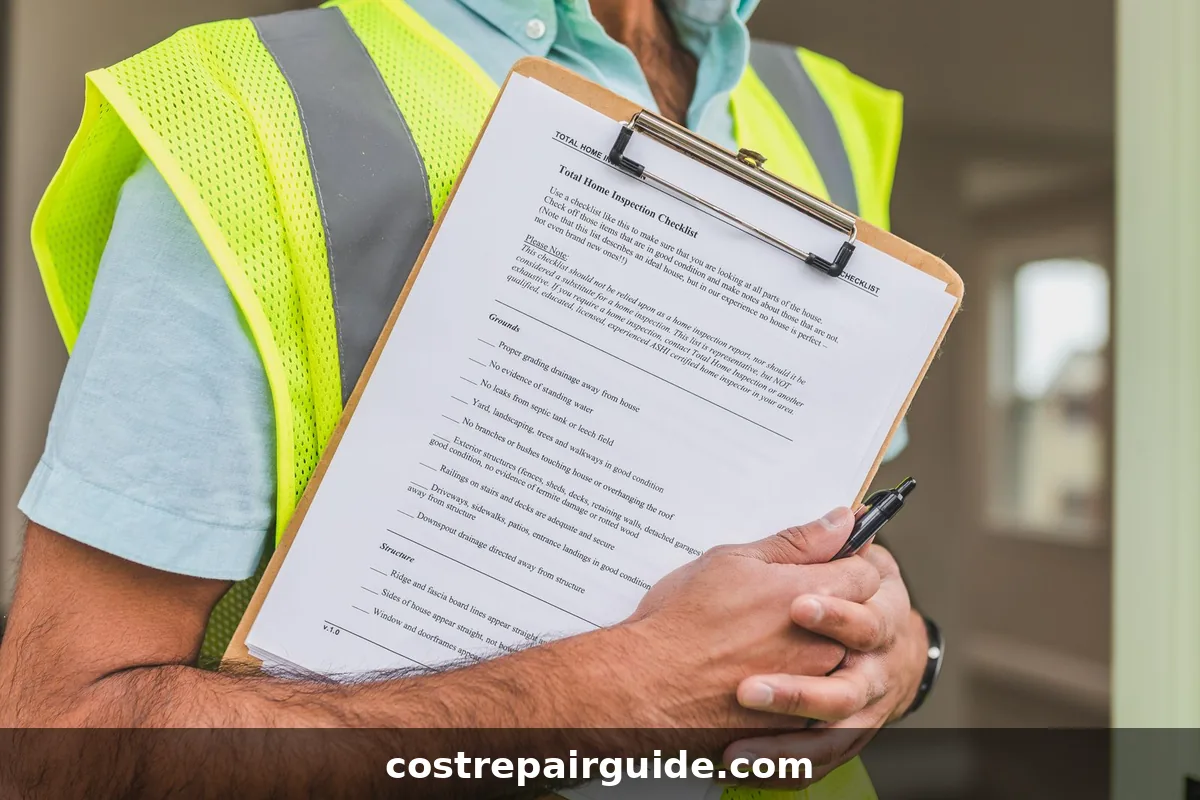
A service call costs $75 to $200 before any actual work begins. These checks are safe, take under ten minutes, and occasionally resolve the problem entirely. Do not touch electrical panels, refrigerant lines, or gas components. Leave those for a licensed technician.
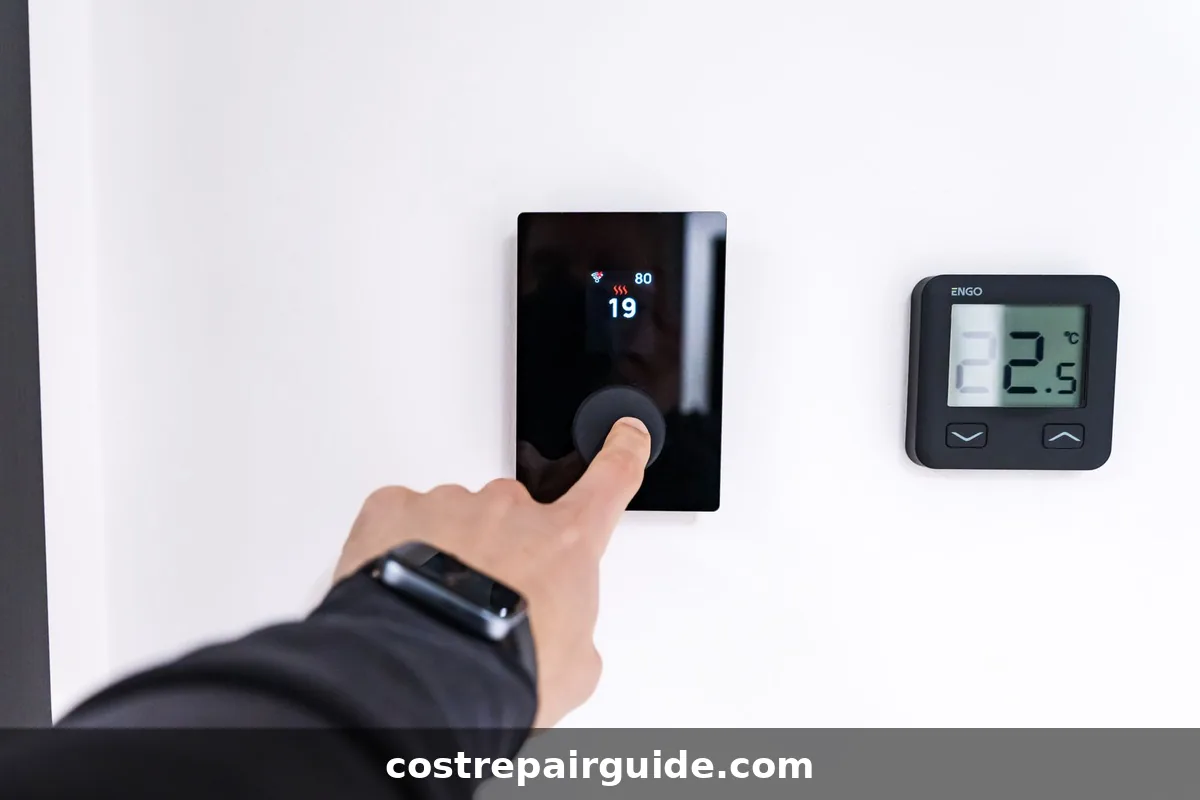
These six checks resolve a surprising number of service calls at zero cost. If none of them reveal the problem, call a licensed HVAC technician.
Questions to Ask Before Approving the Quote
These questions take two minutes and can save a hundred dollars or more on any mid-to-large HVAC repair.
A Confession About HVAC Quotes
The most expensive HVAC mistakes happen in the ten minutes after the technician hands over the quote. The house is uncomfortable. The technician is waiting. The decision feels urgent.
In that moment, most homeowners approve the quote without reading it carefully. They forget to ask if the service call is applied toward the repair. They do not ask what else the technician tested while they were already inside the unit. They do not ask whether this system is worth fixing at all given its age.
None of that makes the technician dishonest. Most technicians give fair quotes. The problem is that a fair quote and an informed decision are two different things. You can approve a fair quote without understanding what you are approving, and still feel like you overpaid when the bill arrives.
This guide exists for the two or three minutes before that decision. Use it to understand what a typical bill should look like. Then open the specific repair guide that matches your situation. Then ask the questions above. In that order.
The One Thing That Reduces HVAC Repair Costs Over Time
Annual HVAC maintenance costs $150 to $350 per visit. It is the single most effective thing a homeowner can do to reduce the frequency and cost of surprise repairs.
A seasonal tune-up catches a weak capacitor before it fails in the middle of a heat wave. It catches a clogged drain before it backs up into the air handler. It catches early signs of refrigerant loss before the system starts short-cycling. None of these problems announce themselves dramatically; they build slowly and quietly until they fail at the worst possible time.
Filter changes every one to three months are the simplest habit with the biggest preventive impact. A clogged filter is behind a disproportionate number of avoidable HVAC repair calls. See: HVAC Maintenance Cost.
Frequently Asked Questions
Related HVAC Cost Guides
Each of these guides goes deeper on one specific repair:
- Mini Split Repair Cost – ductless system repairs and part costs
- HVAC Service Call Cost – what the diagnostic visit itself costs
- Condenser Coil Replacement Cost – outdoor coil replacement pricing
- Thermostat Replacement Cost – smart and programmable thermostat costs
- HVAC Blower Motor Replacement Cost – indoor blower motor pricing
- HVAC Maintenance Cost – annual tune-up and service plan pricing
- Evaporator Coil Replacement Cost – indoor coil replacement pricing
- AC Fan Motor Replacement Cost – condenser and blower fan motor costs
- Emergency HVAC Repair Cost – after-hours and weekend repair premiums
- AC Coil Replacement Cost – evaporator and condenser coil pricing compared
- HVAC Duct Repair Cost – ductwork repair by damage type
- Air Duct Replacement Cost – full duct replacement pricing
- HVAC Refrigerant Leak Repair Cost – leak detection and recharge costs
Final Thoughts
HVAC repair cost in 2026 run from $130 to $2,000 for most residential repairs. The average HVAC repair cost is around $350 to $400. What moves the number is the part that failed, the labor time, local rates, emergency timing, and whether the system’s age makes repairs the right decision at all.
This page gives you the overview. Every section above links to a dedicated guide with deeper cost detail, part-by-part breakdowns, and specific questions to ask for that repair type.
Use this as your starting point. Then open the guide that matches your exact HVAC problem. Then ask the technician the questions above before the work begins.