
Condenser Coil Replacement Cost in 2026: Coil vs. Whole Unit
You walk out back to check on your AC and notice the outdoor unit looks rough. The fins are bent and coated in grime. A technician confirms it: the condenser coil is corroded and leaking. Now you are staring at a quote that mentions both “coil” and “condenser unit.” You are not sure if those are the same thing.
They are not, and that confusion costs homeowners real money. Sometimes a technician can replace just the coil. Other times, the coil is bonded to the rest of the outdoor unit. That makes a full condenser replacement the only practical option.
This guide breaks down condenser coil replacement cost for 2026. We cover the coil-only price and the whole-unit price. We also explain the specific reasons your quote might land on either side of that line.
Quick Answer
Condenser coil replacement cost typically runs $850 to $2,700 for the coil itself, installed. If your technician recommends replacing the entire condenser unit instead, expect $1,200 to $4,200, since that price includes the compressor, fan, and casing along with the coil. Under warranty, you may pay closer to $300 to $1,200 for labor alone. The coil’s construction type matters too. A basic fin-and-tube coil costs far less than a premium micro-channel coil, covered in detail below.
Coil Only, Installed
$850 to $2,700
Full Condenser Unit
$1,200 to $4,200
Under Warranty (Labor)
$300 to $1,200
What This Guide Covers
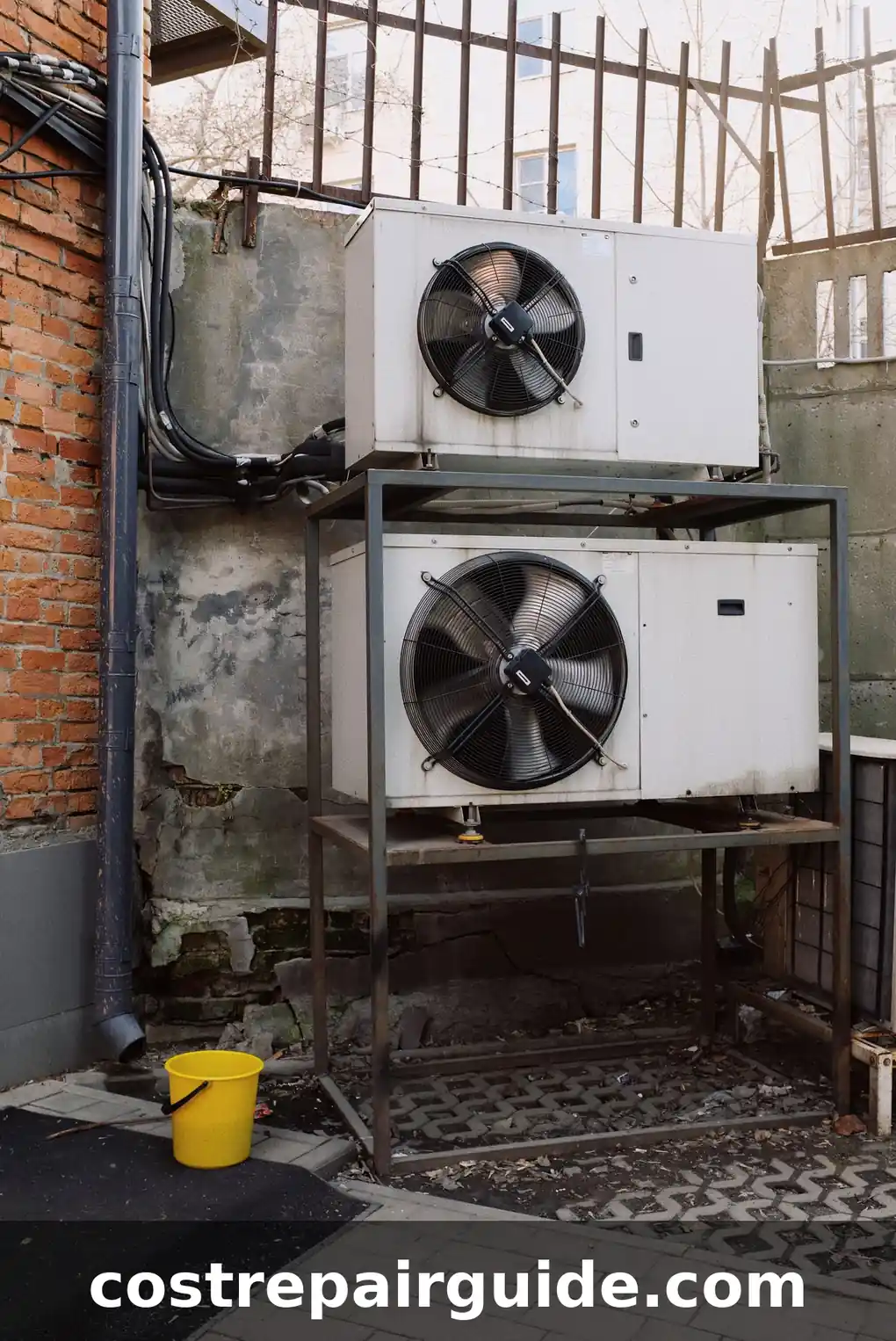
In this guide, you will find condenser coil replacement cost broken down by size and coil construction type. We also cover what else might be quoted alongside it. We explain the real difference between replacing just the coil and replacing the whole outdoor unit. HVAC companies do not always offer both options.
You will learn how coil construction affects price, from basic fin-and-tube coils to premium micro-channel designs built to resist corrosion. We also cover why outdoor exposure wears down a condenser coil faster than an indoor coil ever experiences. This includes weather, debris, and coastal salt air.
Beyond pricing, we cover the warning signs of a failing condenser coil. We walk through what a replacement visit looks like step by step. We also explain when replacing the coil no longer makes sense compared to a full system swap. We close with ways to avoid overpaying and answers to the questions homeowners ask most.
By the end, you will know what a fair price looks like for your coil type and system size. You will also know whether you actually need a full condenser replacement.
Condenser Coil vs. Whole Condenser Unit: Know the Difference
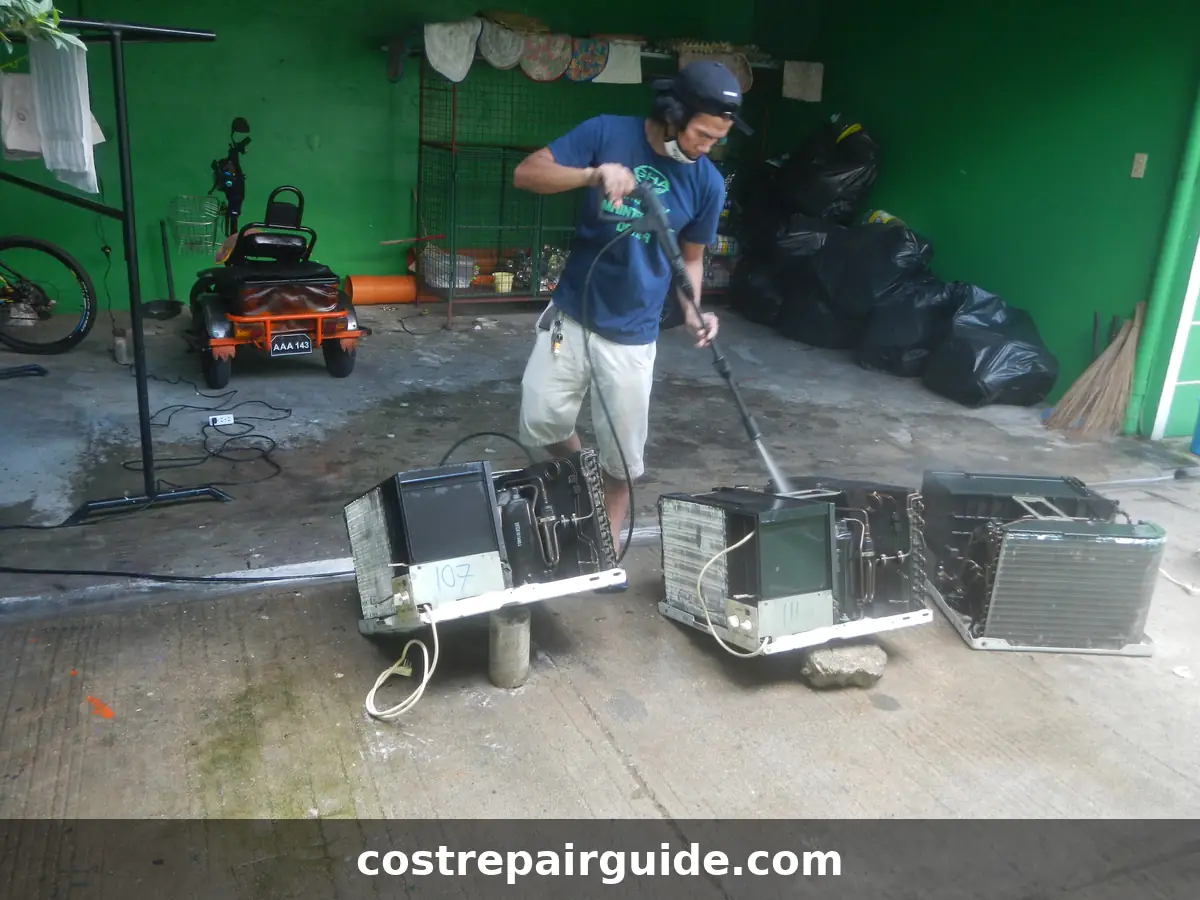
Your outdoor unit, often called the condenser or condensing unit, houses several parts. The condenser coil is one of them, alongside the compressor, the fan, capacitors, and wiring. Replacing just the coil is possible on many systems, but not all. Manufacturers design some units with a serviceable, standalone coil. Others build the coil into the cabinet as a single assembly with the compressor.
On some systems, the coil is welded or bonded into the cabinet. That makes coil-only replacement impractical. In those cases, technicians typically recommend replacing the full condensing unit. This is one reason two homeowners with a “bad coil” can get very different quotes. One gets a coil-only repair. The other gets quoted for the whole unit, and both quotes can be entirely legitimate for their specific system.
What Determines Your Condenser Coil Replacement Cost
Several factors combine to set your final price. Knowing each one helps you judge whether a quote is fair.
Coil Construction Type
Not all condenser coils are built the same way, and construction type changes price significantly.
| Coil Type | Typical Cost |
|---|---|
| Fin-and-tube | $850 to $1,300 |
| Spine-fin | $1,400 to $2,700 |
| Micro-channel | $2,500 to $5,500 |
Fin-and-tube coils are the most common and the least expensive. Spine-fin coils last longer and perform better in tough conditions. Micro-channel coils resist corrosion best of all. That matters most in humid or coastal climates, but they carry the highest price tag.
System Size
Bigger systems need bigger coils, so cost climbs with tonnage. A 1.5-ton system typically needs a smaller, cheaper coil than a 5-ton system.
Labor Cost
HVAC labor for this repair runs $75 to $150 per hour. The job typically takes three to six hours. This depends on accessibility and whether other parts need attention at the same time.
Refrigerant Recovery and Recharge
Replacing a condenser coil means recovering the system’s existing refrigerant and recharging it afterward. This step typically adds $150 to $400 to your total, depending on your refrigerant type and system size.
Diagnostic Fees
Most companies charge $50 to $250 to send a technician out and confirm the coil is the actual problem. Ask whether this fee applies toward the repair if you move forward with them.
Emergency Service
A failed condenser coil rarely picks a convenient time. Emergency and after hours calls typically add $40 to $100 per hour on top of standard labor rates. If your system is still cooling somewhat, a next-day appointment instead of an emergency call can save you real money.
Permits
Some areas require a permit for major outdoor HVAC work, including a full condenser swap. Permit costs typically run $250 to $400. Your contractor should handle this, but confirm it is included in your quote.
Warranty Coverage
Your warranty status has a major effect on your final bill.
| Warranty Status | Typical Cost |
|---|---|
| Under manufacturer warranty, coil covered | $300 to $1,200, labor and refrigerant only |
| Out of warranty, coil only | $850 to $2,700 |
| Out of warranty, full condenser unit | $1,200 to $4,200 |
Condenser coils are commonly covered under a five to ten year manufacturer warranty. Labor and refrigerant are rarely included, even when the part itself is free.
Condenser Coil Replacement Cost by System Size
| System Size | Typical Installed Cost |
|---|---|
| 1.5 to 2 tons | $900 to $1,500 |
| 2.5 tons | $1,000 to $2,200 |
| 3 tons | $1,100 to $2,300 |
| 3.5 tons | $1,150 to $2,400 |
| 4 tons | $1,200 to $2,500 |
| 5 tons | $1,400 to $2,700 |
Most homes run systems between 2 and 4 tons. Check your outdoor unit’s nameplate if you are unsure of your system’s size.

What Else Might Be in Your Quote
The condenser unit holds more than just the coil, and a failing coil sometimes travels with other worn parts.
| Part | Typical Cost |
|---|---|
| Capacitor | $150 to $400 |
| Contactor | $150 to $400 |
| Condenser fan motor | $200 to $700 |
| Condenser fan blade | $100 to $200 |
| Compressor | $1,000 to $2,500 |
| Relay switch | $75 to $300 |
| Full condenser unit | $850 to $3,000 |
If your quote includes several of these items, ask your technician to explain what failed and why. It is common for one worn part to strain another nearby. Every added line item should still have a clear reason.
Why Outdoor Exposure Wears Down Condenser Coils Faster
Your evaporator coil sits protected indoors. Your condenser coil does not get that luxury. It faces sun, rain, pollen, lawn debris, and temperature swings every single day.
Coastal homes face an extra challenge. Salt air speeds up corrosion on condenser coils significantly, sometimes cutting years off a coil’s expected lifespan. If you live near the coast, ask your HVAC company about corrosion-resistant coil options, even if they cost more upfront.
Regular cleaning helps everywhere, not just coastal areas. Grass clippings, pollen, and general yard debris block airflow across the coil, forcing your system to work harder. Lawn equipment is a surprisingly common cause of damage too. A stray rock from a mower or a weed trimmer nicking the fins can do real harm. Keeping at least two feet of clearance around your outdoor unit protects both airflow and the coil itself. A yearly coil cleaning, typically $100 to $400, is far cheaper than an early replacement.
Regional Price Differences: Heat, Humidity, and Salt Air
Where you live changes both how often you need this repair and what you pay for it. Desert Southwest markets, including the Phoenix and Scottsdale area and Las Vegas, run their AC systems nearly year round. That constant demand pushes local labor rates higher. It also shortens the realistic lifespan of an outdoor coil baking in triple-digit heat.
Coastal and Gulf Coast regions face a different challenge. Salt air corrosion, covered above, can shorten coil life even on a well-maintained system. Humid Southeast climates split the difference, with long cooling seasons and moisture both contributing to wear.
Scheduling non-emergency coil work in fall or winter can save you 10% to 20%. Demand drops in most regions during those months compared to a mid-summer emergency call.
What a Typical Itemized Quote Looks Like
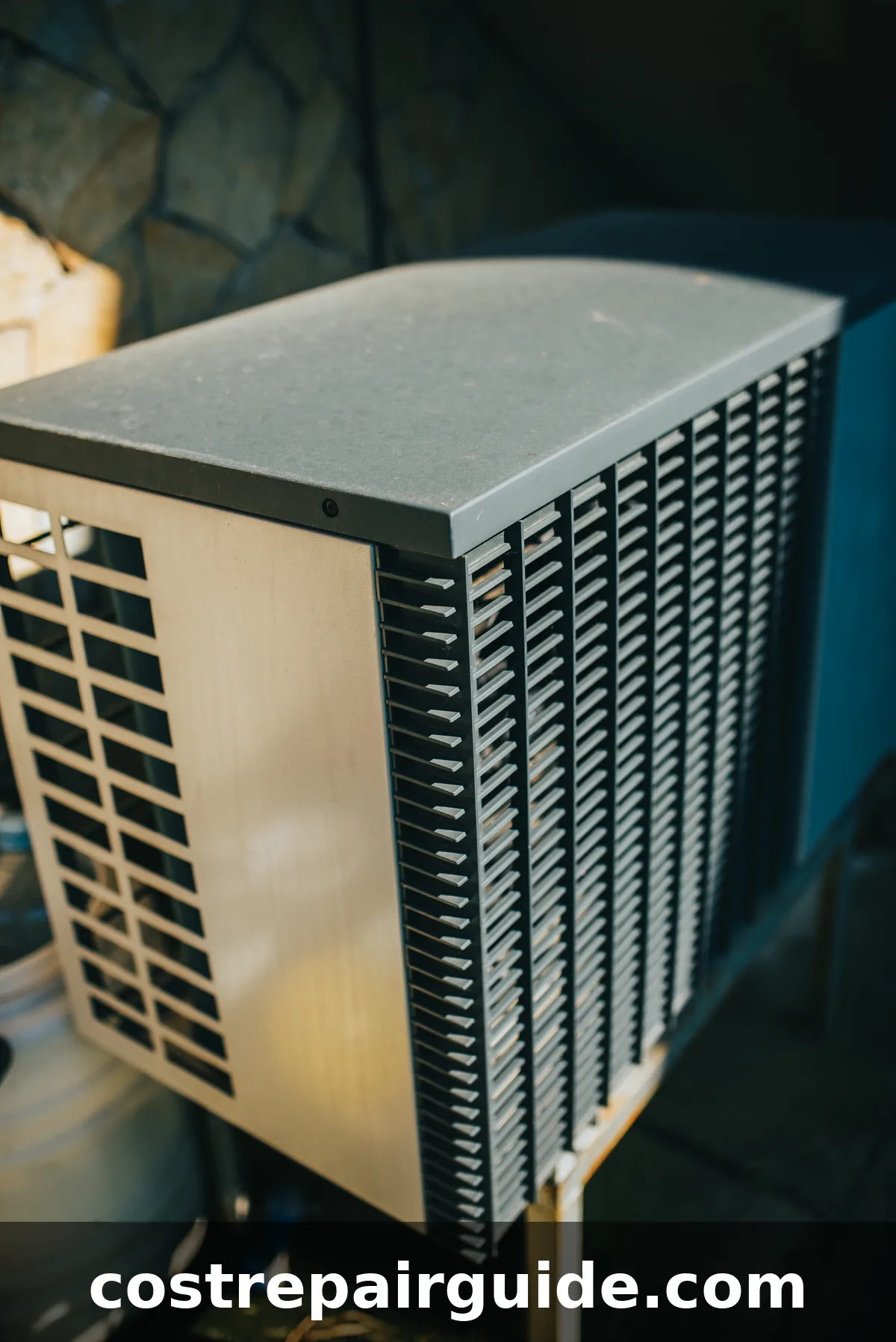
Ranges help, but a real sample makes it easier to judge your own quote. Here is a fair, out of warranty coil-only replacement for a 3-ton system.
| Line Item | Typical Amount |
|---|---|
| Diagnostic and system check | $100 |
| Condenser coil, fin-and-tube, 3-ton | $950 |
| Labor, 4 hours at $125 per hour | $500 |
| Refrigerant recovery and recharge | $250 |
| Total | $1,800 |
If your quote lumps everything into a single number, ask for the breakdown. It is the easiest way to spot which line item is inflated.
Signs Your Condenser Coil Needs Replacing
Watch for these signs on your outdoor unit.
- Visible corrosion, pitting, or white residue on the coil fins
- Bent or crushed fins blocking normal airflow
- Warm air coming from your vents despite the system running
- Hissing sounds or an oily residue near the coil
- Your system running constantly without reaching your set temperature
- A steady rise in your energy bill with no change in habits
If you notice heavy corrosion or a leak, ask whether coil-only replacement is even an option for your system.
Step by Step: What Happens During a Condenser Coil Replacement
Knowing the process helps you follow along and ask informed questions.
1. Diagnosis. The technician confirms the coil has failed and checks whether coil-only replacement is possible on your system.
2. Quote. You should receive a written estimate that separates coil cost, labor, and refrigerant.
3. Recovery. Remaining refrigerant is safely recovered before any parts come out.
4. Removal. The old coil is disconnected and removed from the condenser cabinet.
5. Installation. The new coil is mounted, connected, and sealed at every joint.
6. Pressure test. The system is pressure tested using nitrogen to confirm there are no new leaks.
7. Recharge and check. Refrigerant is added back in, and proper cooling is confirmed.
A straightforward coil swap can finish in half a day. A full condenser unit replacement often takes a full day.
Repair vs. Replace: Coil, Condenser Unit, or Whole System
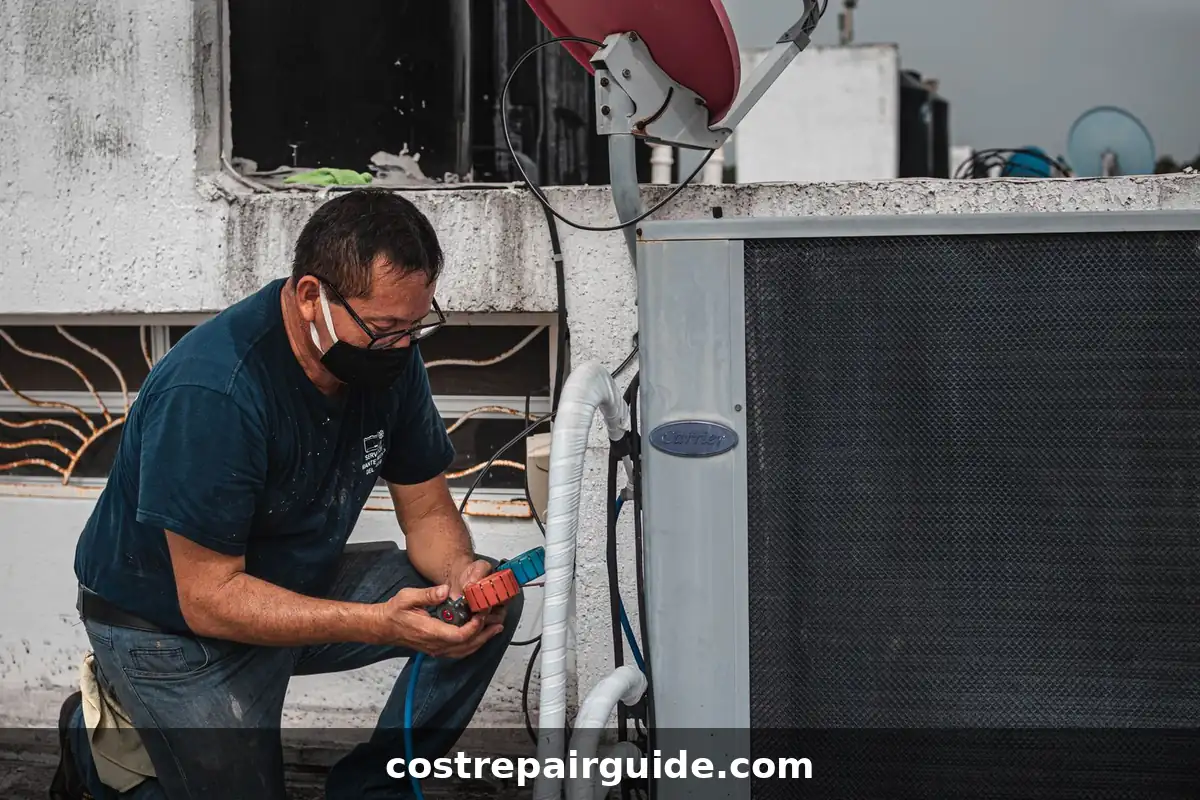
Consider your options carefully before approving a major repair. Replace just the coil if your system is newer and the rest of the condenser looks healthy. This works if your technician confirms coil-only replacement is possible. Replace the whole condenser unit if the coil is bonded into the cabinet. This also applies if other major parts, like the compressor, are failing too. Consider replacing the entire system instead if:
- Your system is more than 10 years old and still uses R-22 refrigerant
- The repair cost is at least 50% of the price of a new
- Your repair cost multiplied by your system’s age in years exceeds $5,000
- Both your evaporator and condenser coils are showing signs of failure
Ask which category your repair falls into, and get that answer in writing before you approve anything.
Can You Replace a Condenser Coil Yourself
No. This repair requires recovering and recharging refrigerant, which by federal law requires an EPA Section 608 certification. It also involves precise brazing and pressure testing. For the full legal and safety details, see our and our . A failed DIY attempt often damages the compressor, turning a moderate repair into a much larger one.
How to Avoid Overpaying for Condenser Coil Replacement
A few habits protect you from an inflated bill.
- Ask directly whether coil-only replacement is possible on your specific system
- Get an itemized quote that separates coil cost, labor, refrigerant, and any other parts
- Ask about coil construction type if you are paying out of pocket either way
- Get a second quote for anything over $1,000, especially for a full condenser unit
- Check your warranty before assuming this repair costs full price
- Confirm whether permits are required and already included in your quote
A technician confident in their pricing will walk through these questions without pushback.
Related HVAC Cost Guides
Compare this repair against other common HVAC costs on CostRepairGuide.com:
You can also browse every category from the .
For refrigerant regulations see the EPA Section 608 guide, and for system efficiency background the Energy.gov heating and cooling guide.
Frequently Asked Questions
How much does condenser coil replacement cost?
Coil-only replacement typically runs $850 to $2,700 installed. If the entire condenser unit needs replacing instead, expect $1,200 to $4,200.
What is the difference between a condenser coil and a condenser unit?
The condenser coil is one part inside the outdoor condenser unit, which also houses the compressor, fan, and wiring. Replacing just the coil is sometimes possible, but not always.
Why would I need to replace the whole condenser instead of just the coil?
On some systems, the coil is bonded into the cabinet in a way that makes coil-only replacement impractical. Other major parts failing at the same time can also make a full unit replacement more sensible.
Does coil construction type affect the price?
Yes. Fin-and-tube coils cost the least, spine-fin coils cost more and last longer, and micro-channel coils cost the most while offering the best corrosion resistance.
Is condenser coil replacement covered under warranty?
Often the coil itself is covered under a five to ten year manufacturer warranty. Labor and refrigerant usually are not, so expect some out of pocket cost.
Why do condenser coils near the coast fail faster?
Salt air speeds up corrosion on outdoor coils significantly. Homeowners in coastal areas may want to ask about corrosion-resistant coil options.
Should I repair the coil or replace the whole system?
Coil repair usually makes sense for newer systems with an isolated problem. Full system replacement often makes more sense if your unit is over 10 years old, uses R-22, or has multiple major parts failing.
Can I replace a condenser coil myself?
No. Federal law requires an EPA Section 608 certification to handle refrigerant, so this repair legally requires a licensed technician.
How long does a condenser coil last?
Most condenser coils last 10 to 15 years, though coastal exposure, debris buildup, and lack of maintenance can shorten that span.
Do I need a permit to replace a condenser coil or unit?
Sometimes, especially for a full condenser unit replacement. Permit costs typically run $250 to $400, and your contractor should handle the paperwork.
Final Thoughts
Condenser coil replacement cost typically falls between $850 and $2,700 for the coil alone. A full condenser unit runs $1,200 to $4,200 instead. Knowing which category your repair falls into is the single biggest factor in understanding your quote.
Ask your technician directly whether coil-only replacement is possible on your system, and get that answer in writing before you approve anything. A little clarity upfront can save you from paying for a full unit replacement you did not actually need, and it protects you from the reverse mistake too, patching a coil that was never going to hold up on its own.
Have you had a condenser coil replaced recently? Share what you were quoted in the comments below, including whether it was coil-only or a full unit replacement. It helps other homeowners know what a fair price looks like for their situation.