Plumbing Repair Cost Guides

Plumbing problems feel urgent because water does not wait. A slow drip can turn into a stain. A clogged drain can become a backup. A small water heater issue can leave the whole house without hot water. Then comes the hard part. 

You call a plumber. You hear a price. Now you wonder if the quote is fair, too high, or missing something. Cost Repair Guide helps you understand common plumbing repair costs before you call a plumber.  This page is your starting point for plumbing cost guides. 

You can compare repair ranges, hourly plumber rates, service call fees, parts, labor, emergency costs, and repair choices. We do not sell plumbing services. We help homeowners understand the numbers first. Use this page to find the guide that matches your problem. Then read that guide before you approve the repair.

Plumbing Cost Guides for Homeowners

Start with the guide that matches your repair issue. Some plumbing jobs are simple. Others need more time, better access, special tools, or urgent service. A running toilet does not cost the same as a sewer line repair. 

A small faucet leak does not cost the same as a hidden pipe leak inside a wall. That is why each guide focuses on one clear topic. You will find cost ranges, common parts, labor factors, warning signs, and questions to ask before approving the work.

Plumbing Repair Cost

Use this guide when you want a general plumbing repair cost overview. It covers leaks, clogs, fixture repairs, service calls, labor, parts, and common repair factors. This is the best place to start when you know something is wrong, but you do not know the exact repair yet.

Plumber Cost Per Hour

Plumbers may charge by the hour, by the job, or by a flat rate. This guide explains plumber hourly rates, service call fees, emergency charges, and what can raise the final price. Use it before booking a plumber for inspection or repair work.

Water Heater Repair Cost

Water heater problems can affect showers, laundry, dishes, and daily comfort. This guide covers repair costs for leaks, heating problems, valves, thermostats, elements, and service calls. It also helps you compare repair with replacement.

Quick Plumbing Repair Cost Snapshot

Plumbing repair prices change by problem, access, parts, labor, and urgency. A simple repair may cost a few hundred dollars. A larger repair can cost much more if pipes are hidden, damaged, or hard to reach. Use this table as a starting point.

Common Plumbing Cost Ranges

Repair or Service Type

Typical Cost Range

What Can Raise the Price

Plumber service call

$50 to $250

Travel, diagnosis, and emergency timing

Plumber’s hourly rate

$45 to $150

Skill level, location, job difficulty

Small plumbing repair

$125 to $350

Parts, access, minimum labor charge

Larger plumbing repair

$500 to $800 plus

Hidden pipes, damage level, repair time

Drain cleaning

$100 to $500

Main line clog, camera inspection

Toilet repair

$100 to $300

Internal parts, wax ring, floor issue

Water heater repair

$150 to $700

Tank type, part failure, access

Sewer line repair

$1,500 to $5,000 plus

Excavation, pipe damage, depth, permits

These numbers are starting ranges. Your real quote can change after the plumber sees the problem. A higher price may be fair if the job needs more labor or special equipment. Still, you should ask what the quote includes. That one question can prevent confusion later.

Common Plumbing Problems We Cover

Most homeowners search for plumbing costs after a clear problem appears. Water is leaking. A drain will not clear. The toilet keeps running. A water heater stops heating. A sewer smell appears. The problem tells you where to start, but it does not always reveal the exact repair. Here are the common plumbing issues our guides cover.

Leaking Pipes

Pipe leaks can be simple or serious. A visible leak under a sink may need a small part. A hidden leak inside a wall can cost more because access and cleanup matter. Do not ignore water stains, soft drywall, musty smells, or rising water bills.

Clogged Drains

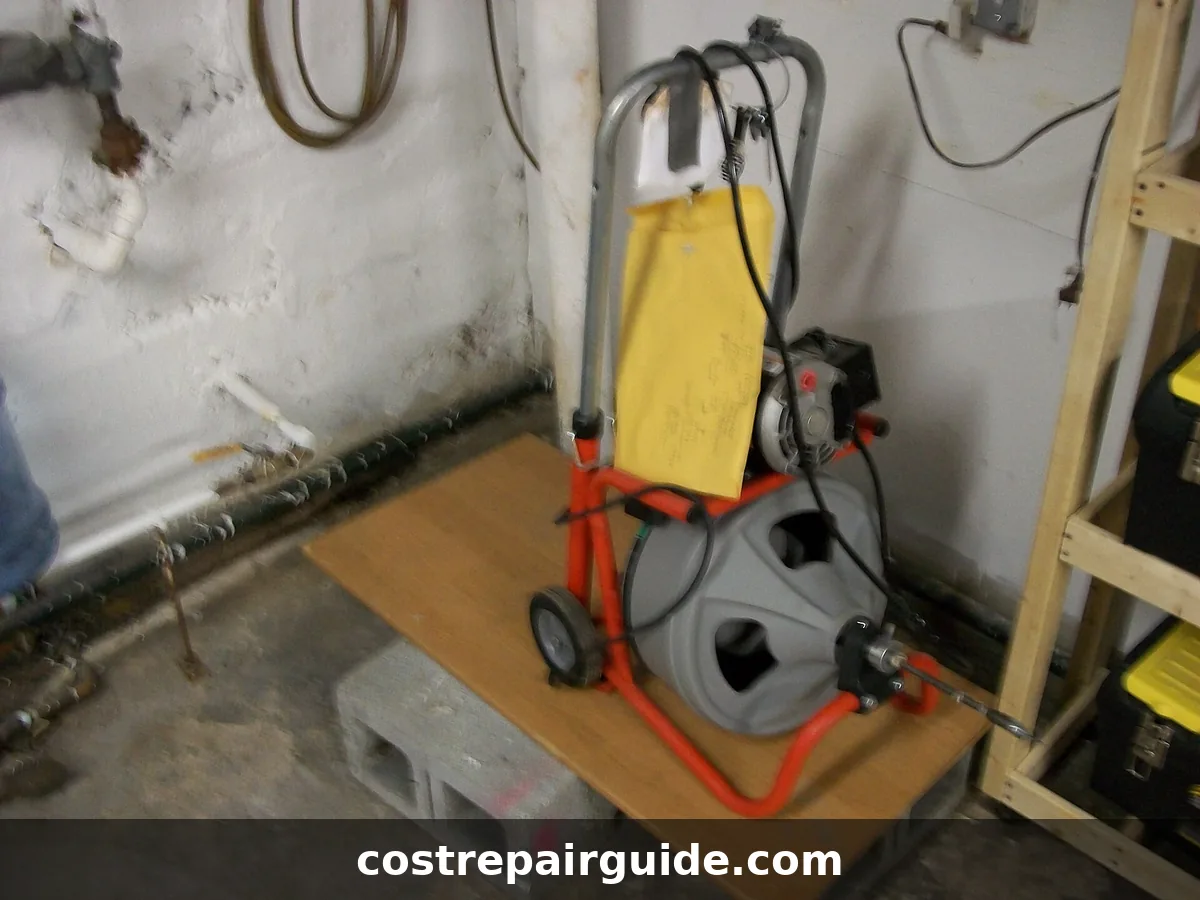
A clogged sink, tub, or shower may need basic drain cleaning. A main line clog can cost more. It may need a sewer machine, camera inspection, or hydro jetting. Recurring clogs deserve extra attention.

Water Heater Problems

A water heater may stop heating because of a thermostat, heating element, pilot issue, valve, or sediment buildup. Leaks need fast attention. A leaking tank often points to replacement, not repair.

Running Toilets

A running toilet can waste water every day. The fix may involve a flapper, fill valve, chain, handle, seal, or overflow tube. This is one problem homeowners should not ignore.

Sewer Line Issues

Sewer line problems can create backups, odors, slow drains, and yard damage. Tree roots, pipe collapse, grease, and old pipes can all cause trouble. Get a clear diagnosis before approving major sewer work.

Low Water Pressure

Low water pressure may come from a clogged aerator, fixture issue, valve problem, pipe corrosion, or leak. The cost depends on where the restriction starts.

Emergency Plumbing Calls

Emergency plumbing usually costs more. Burst pipes, sewer backups, major leaks, and no hot water may need urgent help. If water is actively leaking, shut off the water first.

What Affects Plumbing Repair Cost?

Two plumbing repairs can sound similar but cost different amounts. That happens because the job details are different. Here are the main factors that change plumbing repair costs.

Type of Plumbing Problem

The repair type matters most. A toilet part costs less than a main sewer line repair. A faucet leak costs less than a hidden pipe leak in a wall. Ask the plumber to name the exact issue.

Labor and Service Fees

Labor can make up a large part of the bill. Many plumbers charge a service call or diagnostic fee. Some apply that fee toward the repair. Others keep it separate. Ask before booking the visit.

Parts and Materials

Parts can change the total price. A flapper, valve, or supply line may cost less. Pipes, water heater parts, pumps, and sewer materials can cost more. Ask if parts are included in the quote.

Access to the Problem

Easy access usually lowers labor time. Hard access raises the cost. A pipe under a sink is easier to reach than a pipe behind tile, under concrete, or inside a finished wall.

Emergency Timing

After-hours calls often cost more. Weekend, holiday, and same-day emergency service can raise the final bill. If the repair can safely wait, normal scheduling may save money.

Home Age

Older homes can create surprise costs. Old pipes, stuck valves, corrosion, poor access, and outdated fixtures can make a simple repair take longer. This is why old plumbing often needs careful diagnosis.

Damage Level

Water damage can raise the total cost. The plumbing repair may be one part of the bill. Drywall, flooring, cabinets, mold cleanup, and drying may add more.

What You Can Check Before Calling a Plumber

You can check a few simple things before calling. Do not open walls. Do not work near sewage. Do not repair gas lines yourself. Do not take apart a water heater if you feel unsure. But these safe checks can help.

Shut Off the Water

If water is leaking fast, shut off the water. Use the fixture shutoff valve if the leak is local. Use the main shutoff if the leak is larger.

Check the Source

Try to see where the water starts. Look under sinks, around toilets, near the water heater, and around appliance supply lines.

Take Photos

Photos help the plumber understand the issue. Take pictures of the leak, fixture, pipe, valve, stain, or damaged area.

Stop Using the Fixture

Do not keep using a clogged drain or a leaking toilet. More use can make the problem worse.

Check Other Fixtures

If one drain is slow, the clog may be local. If several drains are slow, the problem may involve the main line.

Repair or Replace Plumbing Parts?

Some plumbing problems need repair. Others make replacement smarter. A small toilet part is usually worth repairing.

A very old water heater with a leaking tank may not be worth fixing. A damaged pipe section may need replacement, not another patch. Ask these questions before you decide.

  • How old is the fixture or system?
  • Has this problem happened before?
  • Is the repair temporary or long-lasting?
  • Does the quote include a warranty?
  • Would replacement prevent another visit?

Here is a simple rule. Repair makes sense when the part is affordable, and the problem is clear. Replacement makes sense when the item is old, failing often, or causing repeat damage.

Questions to Ask Before Approving Plumbing Work

A good plumber should explain the job clearly. You do not need technical language. You need direct answers. Ask these questions before you approve the repair.

  • What caused the problem?
  • What part needs repair or replacement?
  • Does this quote include labor and parts?
  • Is there a service call fee?
  • Is cleanup included?
  • Could this problem come back?
  • Do you recommend repair or replacement?
  • Is this urgent, or can it wait?
  • Does the work include a warranty?
  • Can I get the quote in writing?

These questions help you compare the quote. They also help you avoid surprise charges.

A Quick Confession About Plumbing Quotes

Many homeowners make one mistake with plumbing. They wait until the water is already causing damage. I understand why. Nobody wants to call a plumber for a small drip. Nobody wants to spend money on a problem that looks minor. So they wait. Then the leak spreads. The cabinet gets wet. The floor softens. The ceiling stain grows.

Now the repair is not just plumbing. It may include cleanup and damage repair, too. That is the lesson. Small plumbing problems are often cheaper when you handle them early. You do not need to panic. But you should not ignore water.

When to Call a Plumber Fast

Some plumbing problems should not wait. Call a plumber quickly if you notice any of these signs.

  • Water is leaking from the ceiling
  • Sewage is backing up into the home
  • Burst pipe or active flooding
  • No hot water in cold weather
  • Water near electrical outlets
  • Gas smell near a gas water heater
  • The toilet overflow that will not stop
  • The main drain is backing up
  • Wet floor with no clear source
  • Very low water pressure across the home

Cost guides help you understand prices. They do not replace urgent safety work.

How to Avoid Overpaying for Plumbing Repairs

You can avoid many pricing mistakes with a simple process. Start with the matching guide. Learn the normal cost range. Write down your symptoms. Take photos. Then call the plumber.

Ask about the service fee before the visit. Ask if the fee applies to the repair. Ask how the company prices common jobs.

For major repairs, get another quote when time allows. This matters most for sewer lines, repiping, slab leaks, and water heater replacement.

Do not choose only the cheapest quote. Choose the quote that explains the problem clearly. It should also list parts, labor, fees, and warranty terms.

Plumbing Repair Cost FAQs

Plumbing repairs can cost more because they need skilled labor, parts, tools, and diagnosis. Hidden pipes, emergency timing, and water damage can also raise the price.

Many plumbers charge a service call or diagnostic fee. Ask if that fee applies to the final repair before booking.

You can handle some simple tasks, like replacing a flapper or tightening a loose fitting. Call a plumber for leaks, sewage, water heater problems, gas lines, and hidden pipe issues.

Burst pipes, sewer backups, ceiling leaks, water near electricity, and major water heater leaks need fast help. These problems can cause damage or safety risks.

Act early, shut off water during leaks, avoid emergency timing when safe, and ask for a written quote. Get another quote for major repairs.

Recurring clogs may come from grease, hair, roots, pipe damage, or main line problems. A plumber may recommend a camera inspection for repeated clogs.

Yes, when time allows. Sewer line work can be expensive. A second opinion can help you compare diagnoses, methods, and prices.

Repair may work for small part failures. Replacement may make more sense for an old unit, leaking tank, or repeat problems.

A quote should include labor, parts, service fees, repair scope, cleanup notes, and warranty details. Ask for it in writing.

A higher water bill can point to a hidden leak, running toilet, dripping faucet, or outdoor leak. Check fixtures and the water meter first.

Start With the Plumbing Guide You Need

Plumbing repairs feel less stressful when you understand the cost first. Choose the guide that matches your problem. If you are not sure where to start, read the general Plumbing Repair Cost guide first.

Final question:

What plumbing problem are you trying to price today?