HVAC Repair Cost Guide: What Heating and Cooling Repairs Actually Cost in 2026

The AC stopped working on a Friday afternoon in July. Not the ideal time.

The HVAC company sent someone out Saturday morning. He spent about twelve minutes looking at the unit before writing up a quote. It was for a number that felt high. But how high? There was no way to know. The house was already warming up. The kids were home. The quote got approved.

Three days later, a coworker mentioned that her AC had the exact same problem two summers ago. Same symptom. Same repair. Her bill was about two hundred dollars less. Same city. Same type of system.

The difference was not the contractor. The difference was that she already knew what the repair should cost when the technician showed up. She asked one question that changed the quote.

That is the only thing this page is built to do. Give you that context before you need it. Every HVAC cost guide here explains what the repair typically costs, what drives that price up or down, and what to ask before you say yes to the work.

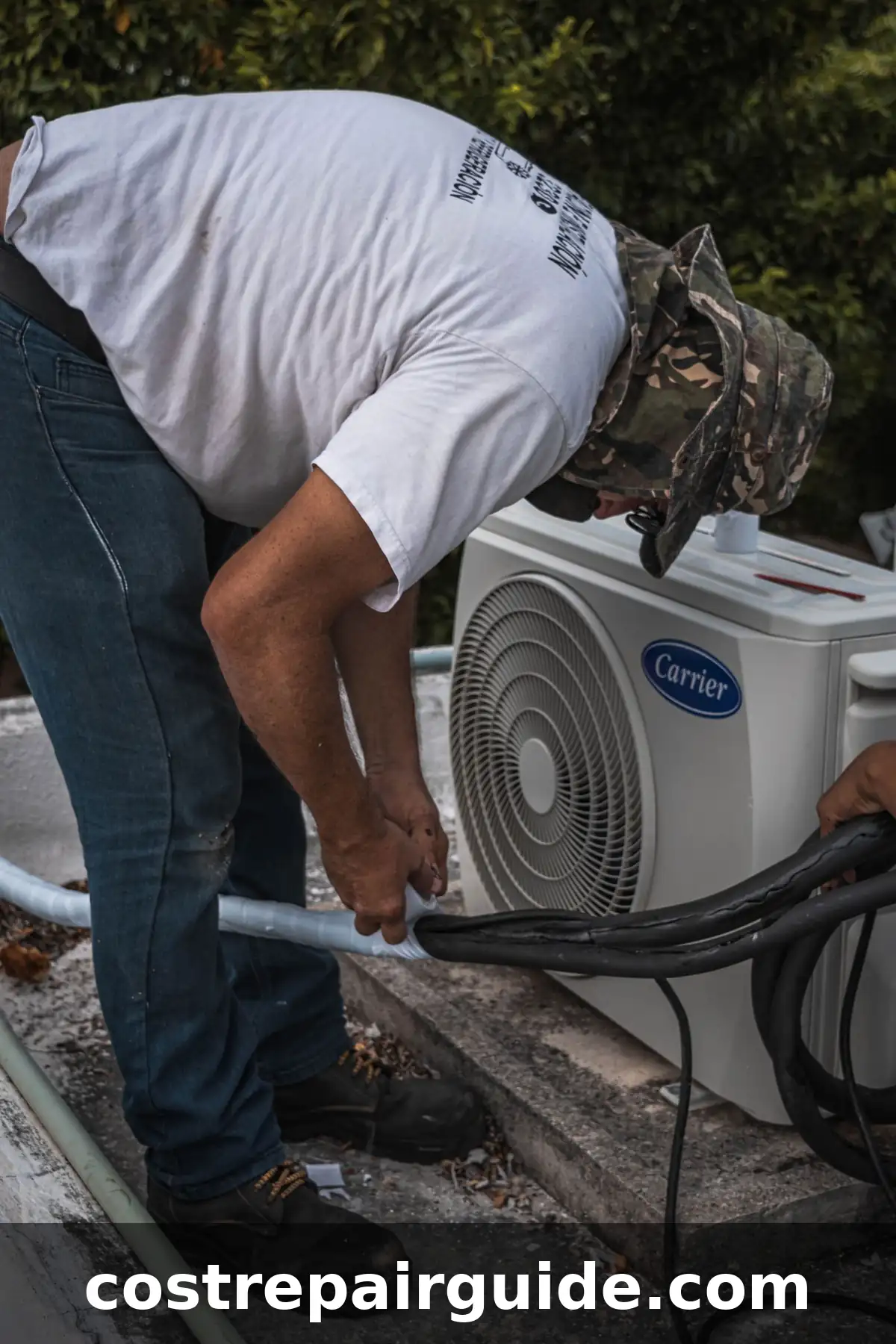
HVAC repair cost guide showing heating and cooling system with cost cards and technician tools

Quick Answer: How Much Does HVAC Repair Cost in 2026?

Most HVAC repairs cost between $150 and $450 on average. Homeowners typically spend $319 for AC service and $268 for furnace service. A service call or diagnostic fee runs $75 to $200 on top of the repair. Emergency or after, hours service can cost 2 to 3 times the standard labor rate. Major repairs like compressor or coil replacement run $800 to $2,800 or more.

These are national averages. Your price will depend on which part failed, your location, system age, and whether the call is urgent. Use the guides below to get closer to your specific situation.

HVAC Repair Cost Snapshot 2026

Use this table as your starting reference point before the technician arrives. These are current national average ranges based on contractor pricing data.

A quote above these ranges is not automatically unfair. A quote below them is not automatically a deal. The scope of work, parts included, and labor time all determine whether the number is reasonable. Ask for a written itemized breakdown before approving.

HVAC cost snapshot showing service call labor parts and emergency repair cost ranges

Repair or Service Type

Typical Cost Range

What Raises the Price

Diagnostic / Service Call Fee

$75 to $200

Emergency visit, long travel, after-hours dispatch

Minor HVAC repair (capacitor, sensor, fuse)

$100 to $450

Labor time, part brand, regional labor rate

AC repair average

$150 to $650

Refrigerant type, electrical parts, frozen coil

Furnace repair average

$125 to $480

Ignition parts, gas safety check, blower issues

Thermostat replacement

$100 to $500

Smart thermostat, wiring changes, programming

Blower motor replacement

$300 to $900

Motor type, access difficulty, labor hours

Refrigerant leak repair + recharge

$200 to $1,500

R-22 vs R-410A, leak location, system size

Compressor or coil replacement

$800 to $2,800+

System age, refrigerant type, labor complexity

Emergency HVAC repair (after hours)

$250 to $1,500+

Weekend, holiday, same-day, 2x to 3x normal rate

Annual HVAC maintenance/tune-up

$150 to $350

System type, add-on services, service contract

HVAC Cost Guides: Find the One That Matches Your Repair

Each guide below covers one specific HVAC repair topic. Start with the guide that most closely matches what is happening with your system. If you are not sure which part failed, start with the general HVAC Repair Cost guide first.

Common HVAC Problems: What They Usually Mean and What They Cost

Most HVAC repair calls start with one clear symptom. That symptom can point to several causes, and the cost depends on which one it is. Here is a breakdown of the most common problems homeowners call about.

AC Blowing Warm Air

This is the most common summer call. The cheapest cause is a wrong thermostat setting or a dirty filter. The most expensive causes are a refrigerant leak, failed compressor, or frozen evaporator coil. A bad capacitor sits in the middle. Repair costs range from under a hundred dollars on the simple end to over two thousand on the complex end. The diagnosis tells you which one you are dealing with.

Furnace Running But Not Heating

A furnace that runs but produces no heat often has a problem with the ignitor, flame sensor, thermostat connection, or gas supply. Some furnaces shut down on a safety lock when they detect an issue, which can make the system appear completely dead. Gas furnace issues should never be diagnosed or touched without a licensed technician. Burning smells, gas odors, or repeated shutdowns need an immediate call.

Weak or No Airflow From Vents

Weak airflow has a wide cost range because it has a wide range of causes. A clogged filter costs nothing to fix. A failing blower motor costs $300 to $900 to replace. A duct leak costs $200 to $700 to repair. A frozen coil needs the system turned off, thawed, and then diagnosed. Do not keep running a system with severely reduced airflow; it can lead to overheating or a coil freeze that makes the original problem worse.

System Short Cycling Starts and Stops Too Often

Short cycling puts extra stress on your system and raises energy bills over time. The most common causes are an oversized system, low refrigerant, a failing thermostat, clogged filters, or electrical faults. A system that short cycles for weeks before getting attention often results in a larger repair bill than if the problem had been addressed at the first sign.

Unusual HVAC Sounds

Different sounds point to different problems. Banging usually means a loose or broken internal component. Grinding can indicate a motor bearing failure. Rattling often points to debris or a loose panel. Squealing is frequently a belt or blower issue. None of these should be ignored for long. Small mechanical problems that make noise tend to become larger ones if the system keeps running.

Thermostat Unresponsive or Inaccurate

Before concluding that the HVAC system has a major problem, check the thermostat. Dead batteries, wrong mode settings, or a tripped circuit can all make the system appear broken when the fix costs almost nothing. If the thermostat screen is blank, settings are unresponsive, or the system runs continuously without reaching the set temperature, the thermostat itself may need replacement.

What Affects HVAC Repair Cost?

Two homeowners can describe the same symptom and receive quotes that are hundreds of dollars apart. That is usually not dishonesty. It is usually because the jobs are genuinely different in ways that are not visible from the outside. Here are the main factors that move the price.

Which Part Failed

This is the single biggest cost driver. A capacitor or flame sensor costs a fraction of what a compressor, evaporator coil, or blower motor runs. Ask the technician to name the specific failed part and explain what caused it to fail before approving any work.

Labor Time

HVAC labor typically runs $75 to $150 per hour. Some repairs take under an hour. Others require refrigerant handling, extensive testing, access to tight spaces, or disassembly of multiple components. A complex job can add two to four hours to the bill. The technician should be able to estimate labor time before starting.

Service Call or Diagnostic Fee

Most HVAC companies charge $75 to $200 just to show up and diagnose the problem. Some credit this fee toward the repair. Others charge it separately. Always ask about this fee before scheduling, not after the technician has already been to your home.

Refrigerant Type

This is a 2026 cost factor that many homeowners do not expect. Older systems using R-22 refrigerant cost $90 to $150 per pound to charge, and R-22 is increasingly difficult to source. Newer systems using R-410A cost $50 to $80 per pound. If your system uses R-22 and needs a refrigerant recharge, the cost difference is significant and may push you toward replacement instead.

System Age

Older systems cost more to repair because parts are harder to find, labor access can be more difficult, and multiple components may be near the end of their life at the same time. An HVAC technician quoting a major repair on a system that is twelve or fifteen years old should also give you a replacement cost comparison so you can make an informed decision.

Emergency and After-Hours Timing

After-hours calls, weekend visits, and holiday emergency service almost always carry a premium. Some companies charge an additional $40 to $80 per hour. Others charge 2 to 3 times the standard rate for emergency dispatch. If the problem is uncomfortable but not a safety concern, waiting until regular business hours can save a meaningful amount.

System Type

Central AC systems, furnaces, heat pumps, mini splits, and packaged units all have different parts, different labor requirements, and different diagnostic complexity. A mini split repair is often simpler than a central system repair. A heat pump repair can be more involved because the system runs year-round. The type of system affects both the parts cost and the labor time.

Warranty Coverage

A manufacturer’s parts warranty can significantly reduce the cost of a covered component. Labor is usually not covered unless you have a service contract. Extended warranties sometimes apply to specific parts like compressors for up to ten years. Always ask the technician whether any part of the repair may be covered before approving the full quote.

Repair or Replace Your HVAC System? The $5,000 Rule

This is the question homeowners dread most because the answer carries real financial weight. Here is a straightforward way to think about it.

The $5,000 Rule: Multiply your system’s age in years by the repair cost in dollars. If the number exceeds $5,000, replacement is usually the smarter long-term investment. Example: A 12-year-old system needing a $450 repair = $5,400. Worth considering replacement. A 4-year-old system needing the same $450 repair = $1,800. Repair makes sense.

Before approving any major HVAC repair, ask the technician one question: How much life should I realistically expect from this system after this repair? The answer tells you more than the quote does.

Air conditioner not cooling showing common issues like filter blockage capacitor failure and refrigerant leak

Your Situation

Better Option

Why

System under 8 years old

Repair

Useful life likely remains

Small or inexpensive part failed

Repair

Low cost relative to system value

The system is 12 to 15 years old

Compare both

Future repairs become more likely

Compressor or coil failed

Compare both

Major repair may exceed system value

The system uses R-22 refrigerant

Lean toward replace

R-22 cost is high, and supply is limited

Needs repair every season

Replacement

Repeat bills add up fast

Repair cost is 50%+ of the new system cost

Replacement

Replacement is a better long-term value

Safety issue, gas or electrical

Professional assessment

Safety must be resolved regardless of cost

5 Things to Check Before Calling an HVAC Technician

A service call costs $75 to $200 before any actual work begins. These five checks take under ten minutes and can occasionally save you that cost entirely. Do not touch electrical panels, refrigerant lines, or gas components. These checks are safe for any homeowner.

Check the Thermostat

Confirm the mode is set correctly for the season: heat in winter, cool in summer. Check the temperature setpoint. Replace batteries if the screen is dim or unresponsive. A surprising number of service calls start and end here.

Check the Air Filter

A clogged filter is behind more HVAC problems than most homeowners realize. It restricts airflow, causes the system to overheat, and can trigger a coil freeze on the AC side. If the filter looks gray, packed, or clogged, replace it before calling anyone. This fix costs a few dollars and takes two minutes.

Check the Breaker

Find the breaker for your HVAC system in the electrical panel. If it is tripped, reset it once. If it trips again immediately or within a few minutes, stop resetting it. Repeated trips point to an electrical problem that needs a professional, not a reset.

Check Vents and Return Grilles

Walk through the house and make sure all supply vents are open. Move furniture, rugs, and curtains away from vents and return grilles. Blocked airflow can cause uneven temperatures, short cycling, and sometimes system overheating, all of which look like mechanical failures.

Look for Ice or Water

Ice on the refrigerant line or the indoor unit usually means a frozen coil from restricted airflow or a refrigerant problem. Water pooling near the indoor unit often means a clogged condensate drain. If you see ice, turn the system off completely and let it thaw for several hours before calling. Running a frozen system can cause additional damage.

Questions to Ask Before Approving HVAC Work

You do not need technical knowledge to ask good questions. You just need clear answers before the work begins and the technician leaves.

  • What specific part failed, and what caused it to fail?
  • Does this quote include both parts and labor?
  • Is there a separate diagnostic or service call fee, and is it applied toward the repair?
  • Is the failed part still under any manufacturer’s warranty?
  • How old is this system, and how much life should I expect after this repair?
  • Is this repair urgent, or can it safely wait a day or two?
  • Would replacement make more financial sense than this repair?
  • What could make this repair cost more than the current estimate?
  • Is there a warranty on the parts you are installing and the labor?
  • Can I get this quote in writing with an itemized breakdown?

A technician who answers these questions clearly and without irritation is worth working with. One who rushes past them or gives vague answers is worth pausing on before you sign anything.

The Real Reason Most Homeowners Overpay for HVAC Repairs

It is not because contractors are dishonest. Most of them are not.

It is because HVAC problems almost always happen at the worst possible moment for clear thinking. The AC dies on the hottest day of the year. The furnace quits on a cold night. The moment is uncomfortable, stressful, and urgent. The technician is standing in the living room with a quote pad.

At that moment, most homeowners do one of three things: approve the quote without asking what it includes, forget to ask if the failed part has a warranty, or skip the question about whether replacement might be the smarter call.

Here is what actually changes things. Knowing the typical cost range for your specific repair before the technician arrives. That one piece of context, knowing whether $800 is high, normal, or reasonable for this job, gives you the confidence to ask a better question. And that one question, more often than not, is worth a hundred dollars or more.

That is the only thing this site is built to give you. Use it before the call. Or use it while the technician is still there. Either way, five minutes of context is worth more than trusting your gut on a number you have never seen before.

HVAC Maintenance: The $150 Habit That Prevents $1,500 Repairs

Annual HVAC maintenance costs $150 to $350 on average. That is a routine expense that most homeowners either skip or delay. But skipped maintenance is quietly behind a lot of the emergency repair calls that come in at the worst times.

Dirty coils reduce cooling efficiency and make the system work harder. Clogged condensate drains back up and causes water damage near the indoor unit. Dirty filters restrict airflow and can trigger a coil freeze or system overheat. Loose electrical connections can cause intermittent shutdowns that look like major failures.

None of these causes instant catastrophic failure. But all of them shorten the life of expensive components and increase the likelihood of a summer or winter breakdown when HVAC companies are at their busiest and their most expensive.

Simple maintenance habit: change the air filter every one to three months, depending on your home conditions. Schedule a professional tune-up once per year for a cooling-only system or twice per year for a system that handles both heating and cooling.

See full guide: HVAC Maintenance Cost

HVAC Warning Signs That Need a Same-Day Call

Some HVAC symptoms are cost guide situations. These are not. Call a technician immediately if you notice any of the following.

  • Burning smell coming from the unit, vents, or air handler
  • Gas smell near the furnace or any HVAC equipment
  • Smoke coming from vents or the outdoor unit
  • The breaker trips repeatedly when the HVAC system runs
  • Water is leaking near the electrical components of the HVAC system
  • Loud grinding, banging, or metallic sounds that started suddenly
  • Ice forming on the refrigerant line or the indoor unit
  • The system shuts off repeatedly within minutes of starting
  • No heat when outdoor temperatures are at or below freezing
  • No cooling during an extreme heat event or heat advisory

Safety concerns always come before price awareness. Do not use this guide to delay action on a safety warning. Call a licensed technician and deal with the cost conversation after the safety issue is resolved.

Frequently Asked Questions

Most homeowners spend $150 to $450 for common HVAC repairs based on current contractor data. The average is around $319 for AC service and $268 for furnace service. Minor repairs, like a capacitor or thermostat, come in under $300 in most cases. Major repairs involving a compressor, evaporator coil, or refrigerant system can run $800 to $2,800 or more. The service call or diagnostic fee of $75 to $200 is usually additional.

Several factors can push an HVAC quote above the average range. Emergency or after-hours service adds 2 to 3 times the standard labor rate. Older refrigerant types like R-22 cost significantly more per pound than current refrigerants. Major part failures, like a compressor or coil, are legitimately expensive. Labor in high-cost-of-living areas runs higher. And older systems sometimes have secondary issues that only become visible once the first repair is started. A detailed written quote with itemized parts and labor helps you understand exactly where the number is coming from.

Capacitor replacement is one of the most frequent HVAC calls, especially during summer. It typically costs $120 to $400, including labor and the service call fee. Other common repairs include thermostat replacement ($100 to $500), drain line clearing ($75 to $200), furnace ignitor replacement ($150 to $350), and refrigerant recharge ($200 to $600, depending on refrigerant type and system size).

Most do. The fee typically runs $75 to $200 and covers the cost of the technician’s travel, initial inspection, and diagnosis. Some companies apply this fee toward the repair total if you proceed with the work. Others charge it separately regardless. Always ask about the service call fee before you schedule the visit, not after the technician has already been to your home.

Use the $5,000 rule as a starting point: multiply the system’s age in years by the repair cost. If the result exceeds $5,000, replacement is often the more cost-effective long-term choice. Also consider: if the repair costs 50 percent or more of a new system, replacement deserves serious consideration. If the system uses older R-22 refrigerant and needs a recharge, that alone can tip the math toward replacement, given current R-22 pricing.

You can safely replace filters, check thermostat settings, clear debris from around the outdoor unit, and reset a tripped breaker once. Anything involving electrical components inside the unit, refrigerant lines, gas connections, or internal mechanical parts should be handled by a licensed HVAC technician. Refrigerants are regulated and require EPA certification to handle. DIY work on refrigerant, gas lines, or electrical components can void warranties and create genuine safety hazards.

This symptom usually points to one of four causes: a refrigerant leak reducing cooling capacity, a dirty or frozen evaporator coil blocking heat transfer, a failing compressor that cannot maintain proper pressure, or an undersized system that cannot keep up with the heat load. Start by replacing the air filter and checking that all vents are open. If the problem continues, call a technician to diagnose the specific cause before the system causes additional damage by running under strain.

After-hours, weekend, and holiday HVAC service typically costs 2 to 3 times the standard labor rate. Some companies add a flat emergency fee of $40 to $80 per hour on top of regular rates. Others charge emergency dispatch fees of $100 to $200 before any labor. For same-day emergency service, total bills can run $250 to $1,500 or more, depending on the repair needed. If the situation is uncomfortable but not a safety concern, waiting until regular business hours can meaningfully reduce the total cost.

Read the matching cost guide before the technician arrives so you have a realistic price reference. Ask for a written itemized quote before approving work. Ask specifically whether the failed part is under any warranty coverage. For major repairs, get a second opinion when time allows. Ask the technician directly: is replacement a better financial decision than this repair? A good technician should give you an honest answer. One who pushes repair on a failing old system without mentioning replacement as an option is worth getting a second opinion on.

Systems that provide both heating and cooling benefit from two service visits per year, one in spring before the cooling season and one in fall before heating season. Systems that provide only heating or only cooling need one annual service visit. Change or inspect air filters every one to three months, depending on your home’s dust level, pet situation, and system usage. Regular maintenance does not prevent every breakdown, but it catches small problems before they become expensive ones and extends the useful life of expensive components.

Start With the HVAC Guide That Matches Your Problem

HVAC repair costs feel less stressful when you already know what normal looks like before the technician hands you a quote. Choose the guide below that matches your situation. If you are not sure where to start, the general HVAC Repair Cost guide covers the full picture first.
Choose a category below and start with the guide that matches your problem.